🥳 Skip the subscription. Pay $299 once for lifetime access— See lifetime plans
🥳 Skip the subscription. Pay $299 once for lifetime access—

8 MIN READ
Learning Basics
Learning Basics
Everything You Need to Know About Instagram Collabs
Everything You Need to Know About Instagram Collabs
Everything You Need to Know About Instagram Collabs

Rashmi Singh
Rashmi Singh
Rashmi Singh
Content Marketer @impulze.ai
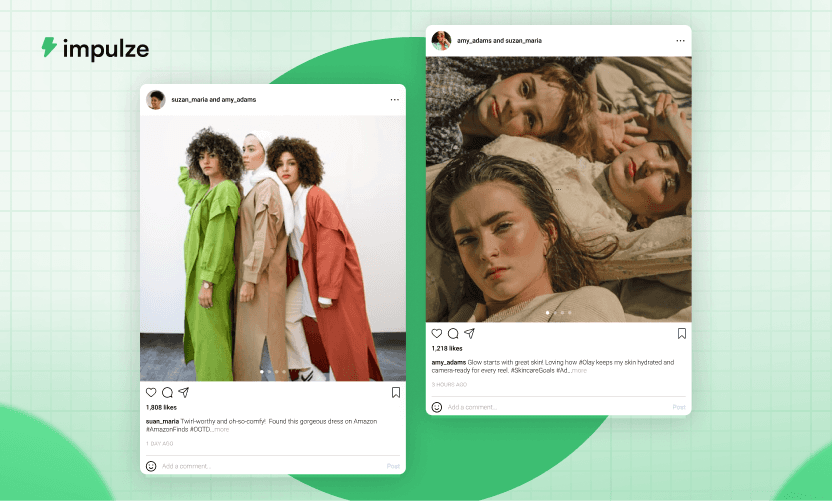
Sections
Build your first creator list on Solo, $29 a month.

Blog in Short ⏱️
Blog in Short ⏱️
A quick glance at the highlights—perfect for when you're short on time.
A quick glance at the highlights—perfect for when you're short on time.
Instagram collabs are a game-changer for both brands and creators. By co-authoring a post or Reel, content reaches two audiences at once, boosting visibility, engagement, and trust.
Here’s why collabs work so well:
Double Reach: Your content appears to both audiences simultaneously.
Higher Engagement: Likes, comments, saves, and shares are combined.
Social Proof: Two accounts endorsing the same content build credibility.
Lower Ad Fatigue: Feels organic, not like a hard sell.
Stronger Conversions: Especially when creators genuinely use the product.
Collab Types:
Brand ↔ Influencer
Creator ↔ Creator
Brand ↔ Brand
Customer or UGC collaborations
Best Practices:
Proper disclosure (#ad, #sponsored)
Clear creator briefs
Audience alignment
Track performance (clicks, sales, follower growth)
Tools like impulze.ai make managing discovery, outreach, and performance tracking simple.
Instagram collabs have quietly become one of the most powerful growth tools on the platform. Whether you’re a brand trying to reach new customers, a creator looking to grow faster, or an agency managing campaigns, collaboration is now the shortcut to visibility, trust, and real results.
But here’s the truth: most people use Instagram collabs without fully understanding how they actually work, how to do them properly, or how to measure if they were even successful.
This guide breaks everything down. No jargon. No fluff. Just practical, real-world advice on how Instagram collabs work, why they perform so well, and how you can use them strategically.
What Is an Instagram Collab (And Why Everyone Is Using It)?
An Instagram collab is a feature that allows two accounts to co-author the same post or Reel. The same piece of content appears on both profiles, shares the same likes, comments, views, and reach, and is pushed to both audiences at once.
In simple words:
One post. Two audiences. Double the exposure.
This feature completely changed how creators and brands grow together. Earlier, creators had to tag brands and brands had to repost manually. Now, with collab posts, the content officially lives on both accounts.
Instagram loves this feature because:
It keeps users on the platform longer
It encourages community interactions
It increases engagement across networks
And for brands and creators, it solves three big problems:
Limited organic reach
Low trust with cold audiences
Slow account growth
Types of Instagram Collaborations You Should Know
Not all collabs are influencer campaigns. There are multiple collaboration formats depending on your goal.
Brand ↔ Influencer Collabs
This is the most common type. A brand partners with a creator to promote a product, service, or campaign. The content is co-posted, so it appears on both the brand’s and the creator’s profiles.

Used for:
Product launches
Reviews and demos
Sponsored Reels and carousels
Creator ↔ Creator Collabs
Two creators in the same or complementary niche collaborate to grow together.
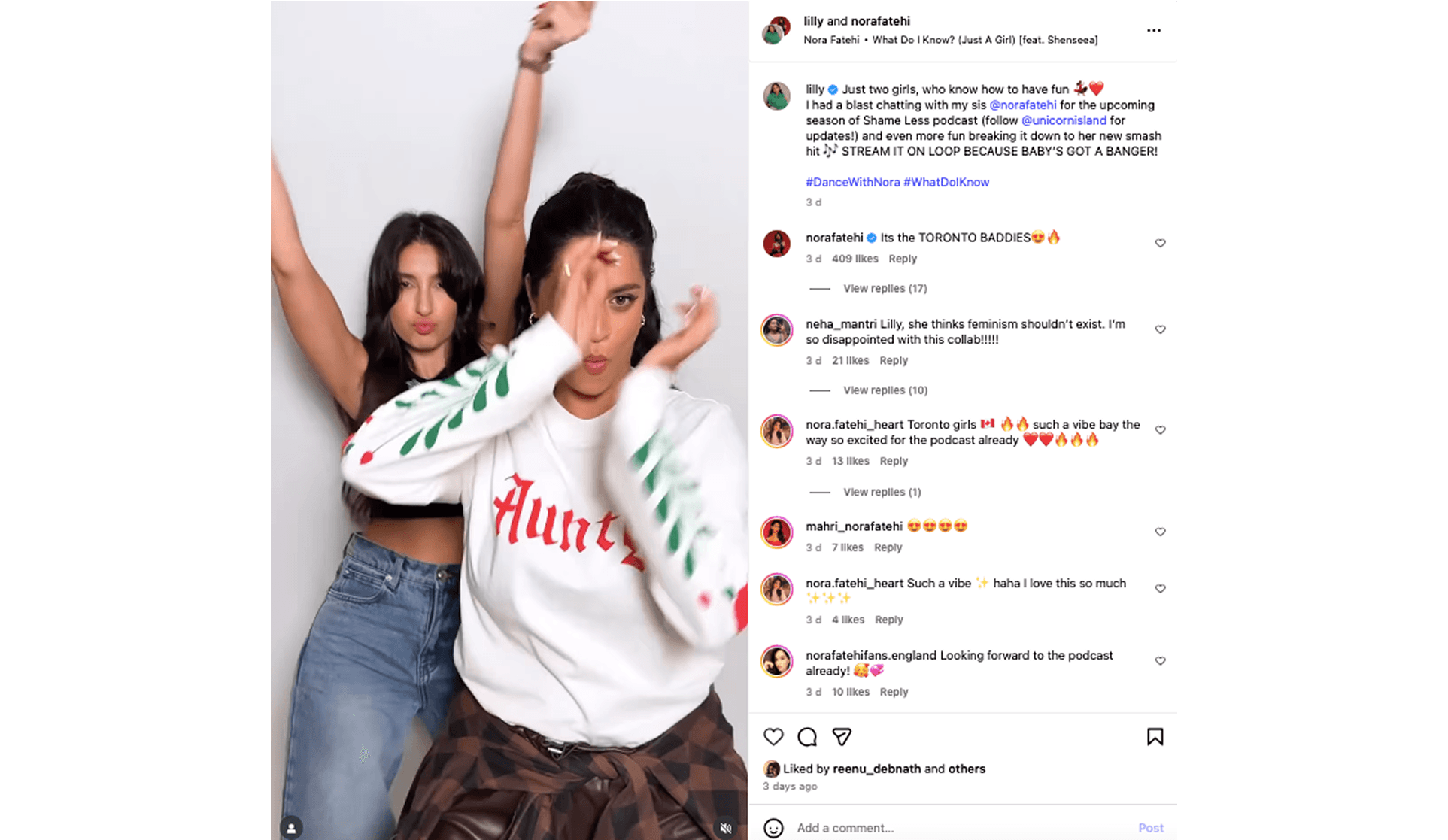
This works incredibly well for:
Coaches
Educators
Lifestyle creators
Podcasters
Niche content creators
Their audiences overlap but don’t fully match, which drives organic follower growth.
Brand ↔ Brand Collabs
Two brands with similar audiences but different products partner to co-create content. For example:
Skincare brand × wellness brand
Fitness brand × nutrition brand
Travel brand × luggage brand
This is powerful for cross-promotion without competing.
UGC Creator Collabs
User-generated content creators collaborate with brands to create content that looks organic but is used for ads or marketing assets.
These creators don’t need massive followings. Their value lies in:
Content quality
Relatability
Conversion performance
Customer Collabs
Real customers are invited to collaborate on posts—reviews, unboxings, testimonials, before-after transformations. This builds the highest level of trust.
Why Instagram Collabs Work So Well (From an Algorithm + Psychology View)
Instagram collabs perform so well because they sit at the perfect intersection of how the Instagram algorithm works and how people naturally build trust online. When a post is co-authored by two accounts, the platform doesn’t just “treat it like another post.” It actively rewards it with stronger distribution, because the content immediately signals relevance, interaction, and network expansion.
From a technical side, a collab post instantly taps into two different follower bases at the same time. The moment the post goes live, it gets early engagement from both audiences. That early surge of likes, comments, shares, and saves tells the algorithm that the content is valuable, so the system pushes it even further into Explore pages, Reels feeds, and suggested content. This is why collab posts often see higher reach than regular brand posts, even without paid promotion.
Then comes the human psychology side. People trust people more than they trust ads. When they see a creator they already follow partnering with a brand—or another creator—they subconsciously borrow that trust. This is known as the transfer of trust. If the creator believes in the product or message, the audience is far more likely to believe it too.
Here’s why collab posts consistently outperform solo posts:
Double Reach: Your content doesn’t rely on one algorithm stream. It enters two active audiences at once, instantly increasing exposure and discovery.
Higher Engagement Signals: All likes, comments, saves, and shares are pooled together. This creates a strong early engagement spike—something Instagram’s algorithm heavily favors.
Powerful Social Proof: When two accounts co-sign the same content, it reduces skepticism and increases credibility. People feel safer engaging with content that’s “validated” by more than one voice.
Lower Ad Fatigue: Collab content blends into the feed naturally. It doesn’t feel like a hard sell, so users don’t immediately scroll past it as they do with obvious ads.
Stronger Conversions: Because the content feels organic and creator-led, people are more willing to click, try, and buy—especially when the creator genuinely uses the product.
From the brand’s perspective, Instagram collabs feel less noisy than ads and far more cost-efficient when it comes to trust-building and long-term recall.
From the creator’s perspective, collabs feel more authentic than traditional sponsorships because they involve shared ownership of the content, not just a paid mention.
How to Plan a Successful Instagram Collab (Before You Hit “Post”)
Most failed collabs fail before content creation even starts. The planning phase decides everything. Here’s what you must lock in before launching a collab:
1. Define Your Goal
Ask one simple question: What do I want from this collab?
Brand awareness
Traffic
Sales
App installs
Email sign-ups
Content assets
Your goal controls the creator type, content format, and success metrics.
2. Choose the Right Creator (Not Just Big Numbers)
Follower count is not the main metric. You should look at:
Audience demographics
Content style
Past brand collaborations
Comment quality
Niche consistency
3. Decide the Content Format
Will this be:
A Reel?
A carousel?
A tutorial?
A challenge?
A before/after transformation?
Reels usually perform best for reach. Carousels work great for saves and education.
4. Set Clear Deliverables
Always define:
Number of posts
Posting date
Caption guidelines
Hashtags and mentions
Approval process
Usage rights (especially for ads)
5. Finalize Compensation
This can be:
Paid fee
Affiliate commission
Long-term ambassador deal
Performance-based bonus
Everything should be clear upfront to avoid confusion later.
How to Use the Instagram Collab Feature (Step-by-Step)
Here’s how the actual feature works on Instagram:
Create your post or Reel.
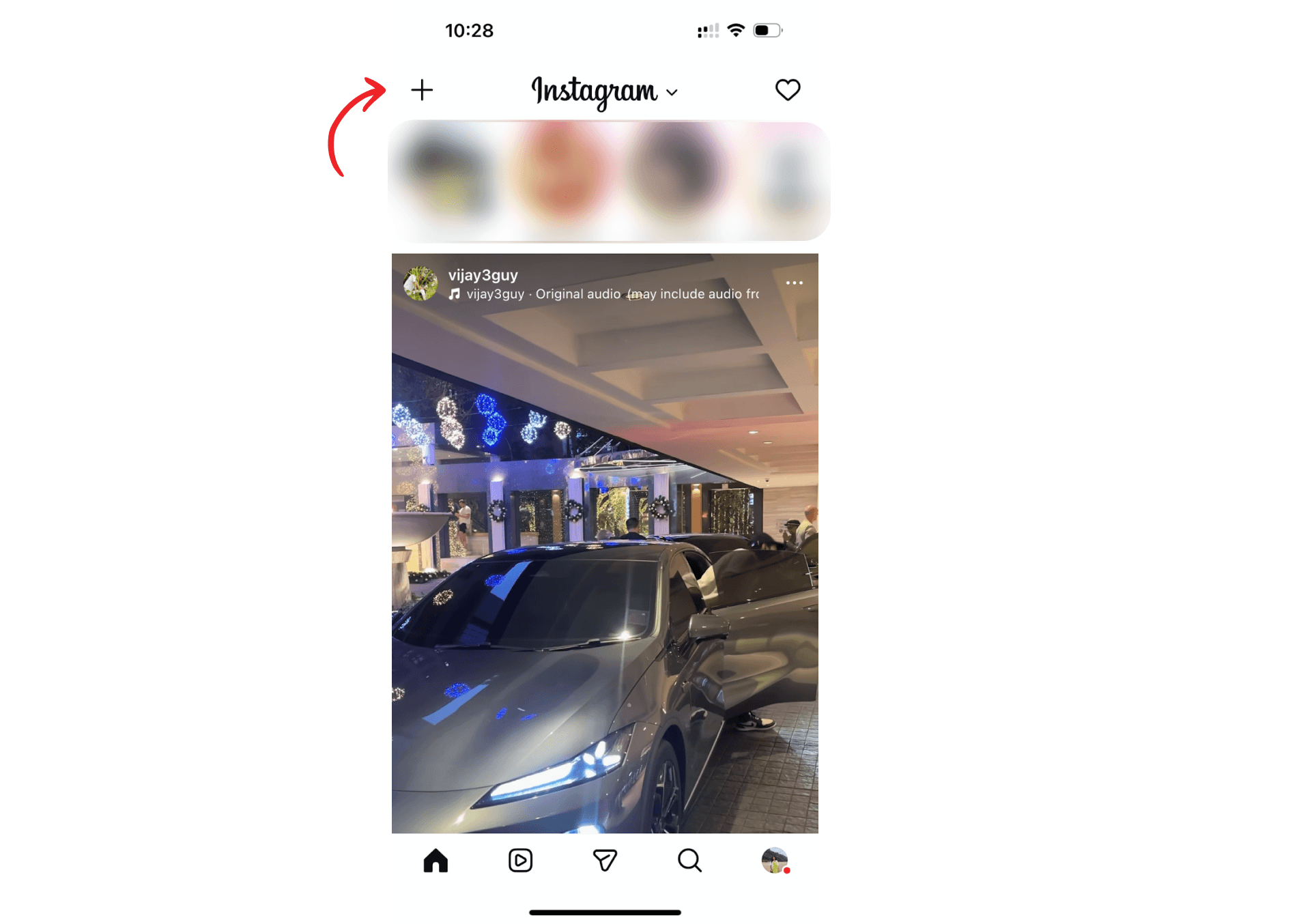
Add your caption, hashtags, and tags.
Tap “Tag people”.
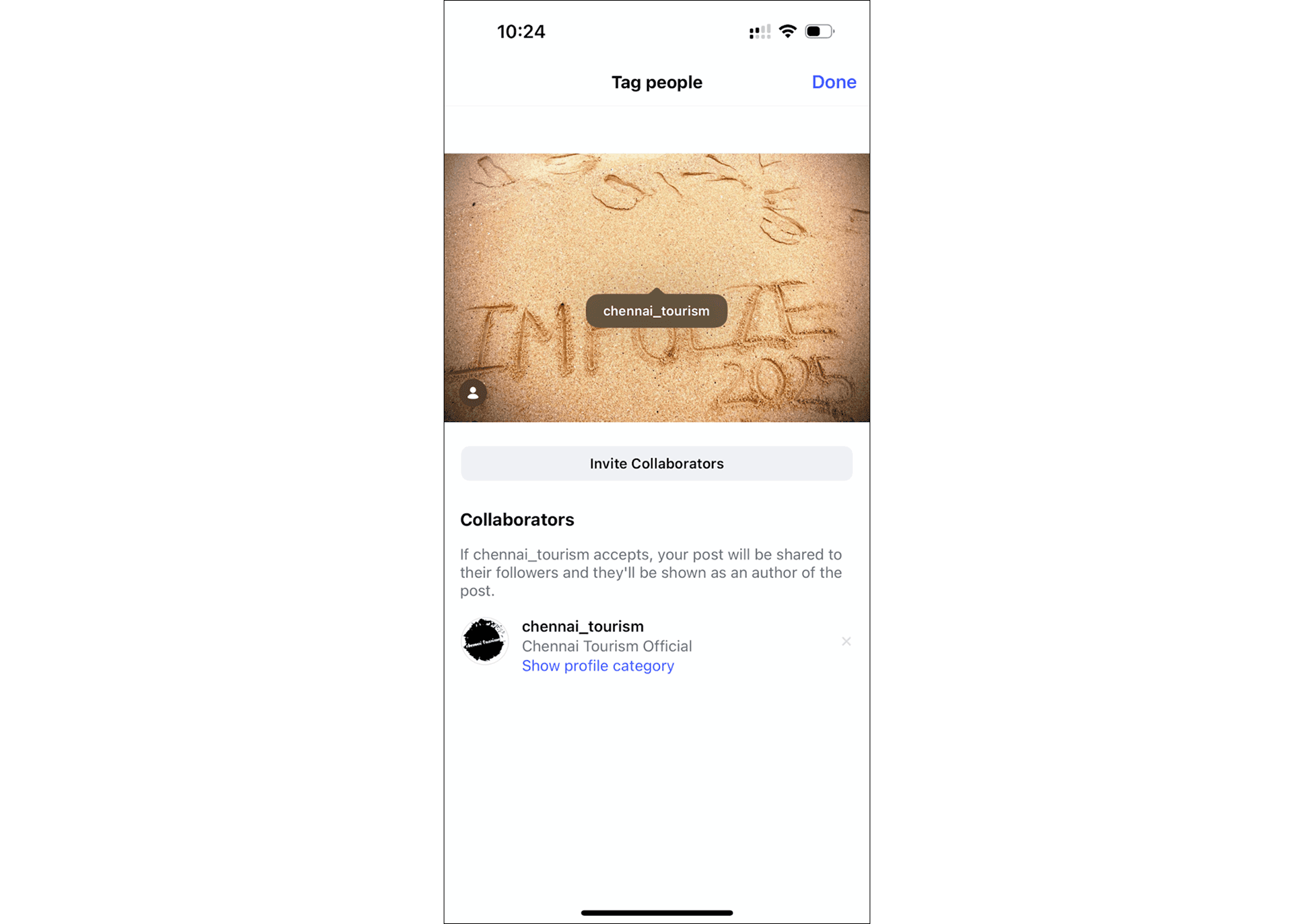
Select “Invite collaborator.”
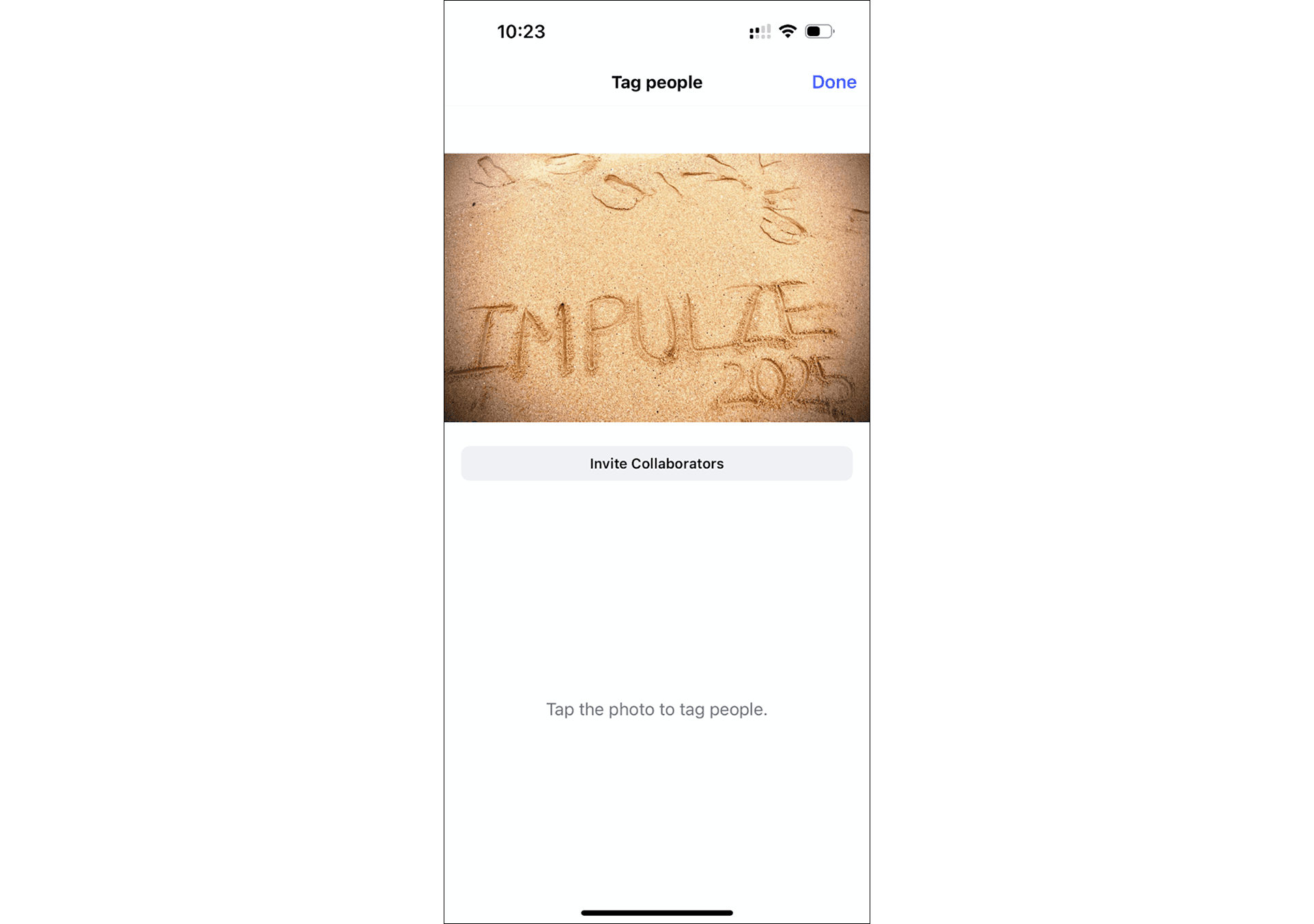
Search for the collaborator’s handle and add them
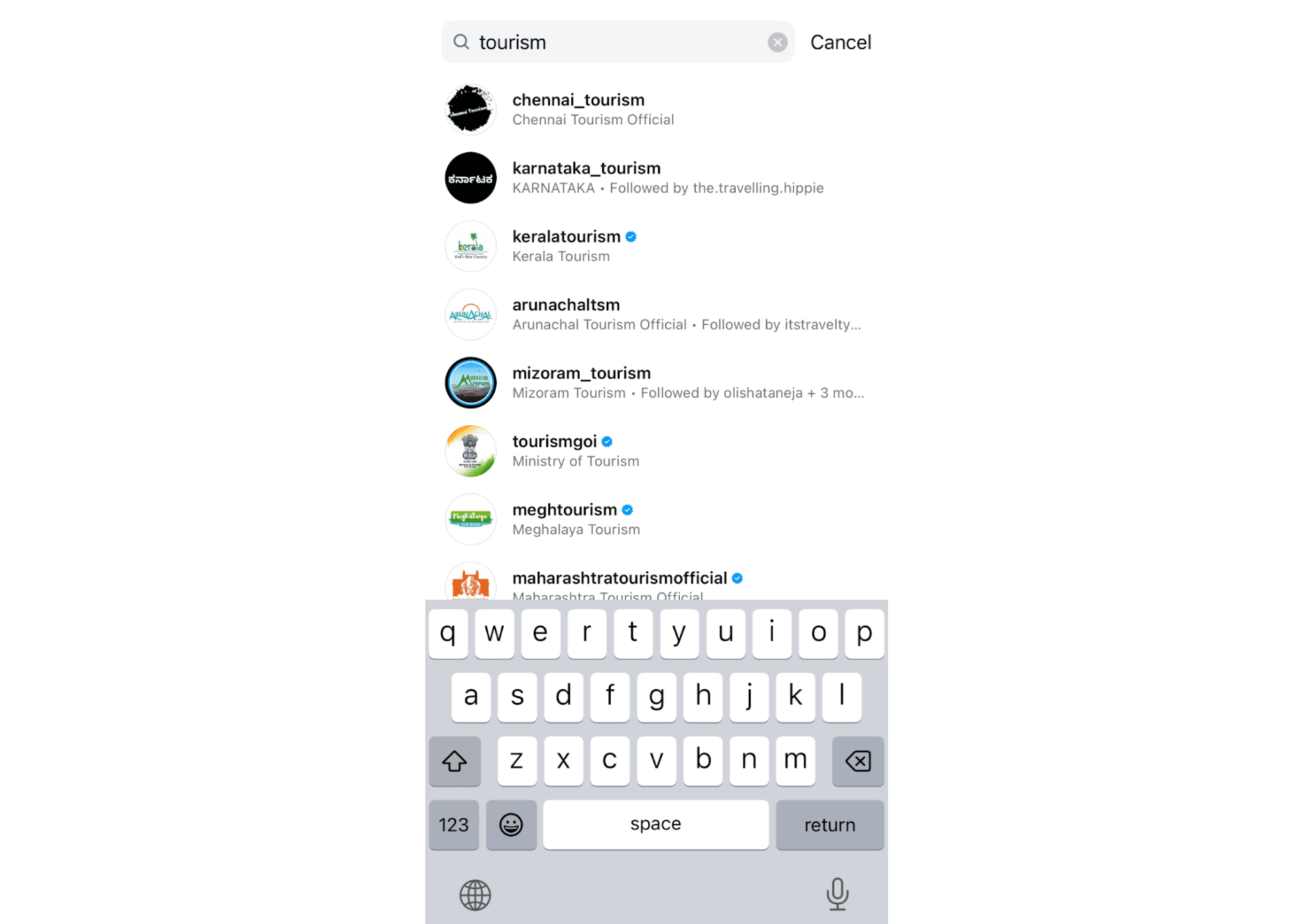
Publish the post.
The collaborator accepts the invite.
Once accepted, the post appears on both profiles.
Important notes:
The collaborator must have a public account
Only the original poster can delete the post
Engagement is shared across both profiles
This is what makes collabs so powerful technically.
Best Practices & Legal Compliance You Should Never Ignore
Many brands run into trouble with Instagram collabs not because they do anything extreme, but because they ignore the basics. These rules may seem simple, but skipping even one can hurt your reputation, reach, or legal standing.
Here’s what you should always follow:
Use proper disclosure at all times
Always include #ad, #sponsored, or #paidpartner whenever money, free products, commissions, or gifts are involved. This is not optional; it’s a legal requirement in many countries and a trust signal for your audience.Be fully transparent about gifting or payments
Whether it’s a paid deal, free products, affiliate commission, or performance bonus, everything must be openly disclosed. Audiences today can instantly recognize hidden promotions, and once trust drops, it’s hard to recover.Never fake reviews or force scripted testimonials
Audiences connect with honesty, not perfection. Forcing creators to read scripted praise or exaggerate results makes the content feel like an ad and hurts long-term credibility for both the brand and the creator.Avoid misleading or exaggerated claims
Never promise results your product can’t consistently deliver. Overpromising might boost short-term clicks, but it leads to refunds, negative reviews, and platform penalties in the long run.Respect content usage rights and contracts
If you plan to reuse creator content for ads, websites, emails, or landing pages, this must be clearly mentioned in your agreement. Paying for a post does not automatically give you the right to use the content everywhere.Do not over-control the creator’s creative freedom
Give guidelines, brand voice, and key talking points, but avoid scripting every word. The reason collabs work is that the content feels native to the creator’s audience.Understand that Instagram actively penalizes hidden partnerships
Accounts that repeatedly hide paid collaborations may face reduced reach, shadowbans, or warnings. The platform prioritizes transparency more than ever.Always prioritize long-term safety over short-term spikes
Ethical collaborations build compounding trust. Shortcuts may give you temporary numbers but they damage your brand in the long run.
Creative Instagram Collab Ideas That Actually Work
If you want your Instagram collabs to stand out—and not blend into the sea of generic sponsored posts—you need formats that feel native, engaging, and genuinely useful to the audience. The best-performing collabs usually blend education, entertainment, and authenticity.
Here are proven formats you can test across niches:
Product Tutorials
Step-by-step tutorials show your product in real use, not just in a polished ad. These work especially well for beauty, fitness, tech, SaaS, and home brands. When creators teach something while using your product, the audience focuses on learning first and selling becomes secondary.Before–After Transformations
This format taps directly into curiosity and results-driven thinking. From skincare and fitness to home organization and software productivity, visible transformation builds instant credibility and drives high saves and shares.“Day in My Life” Integrations
Instead of forcing a hard sell, your product becomes part of the creator’s everyday routine. This makes the promotion feel natural and highly relatable, which is why lifestyle-based integrations convert so well.Unboxing + First Impressions
Audiences love first reactions. This format builds excitement, shows packaging details, and captures raw, unfiltered feedback. It works best for product launches, limited editions, and DTC brands.Challenge-Based Content
Challenges drive participation. Whether it’s a 7-day fitness challenge, a skincare reset, or a productivity sprint, challenge-based collabs encourage repeat engagement and community involvement.Limited-Time Drops & Exclusive Launches
Scarcity creates urgency. When creators announce exclusive drops or early access offers through collab posts, it often leads to immediate spikes in traffic and conversions.Customer Testimonials
Real customers sharing real experiences are powerful trust builders. These collabs feel like recommendations, making them especially effective for high-consideration products.Behind-the-Scenes Brand Tours
Let creators take their audience inside your brand—your office, manufacturing process, or founder story. This humanizes your brand and builds emotional connection.Giveaways & Contest Collabs
Giveaways increase reach, follower growth, and engagement fast. When done as a collab post, both the creator and the brand benefit from combined visibility.Co-Hosted Instagram Lives
Live sessions allow real-time interaction, Q&A, product demos, and launches. They build trust faster than static content and are great for education-driven brands.
How to Measure Instagram Collab Performance (The Right Way)
A collab without tracking is just a guess. You might feel it worked but without data, you’ll never really know what drove results and what didn’t. Measuring the right metrics helps you double down on what’s working and fix what’s not. Here’s what you should actually monitor after every Instagram collab:
Reach & Impressions
This tells you how far your collab traveled. Reach shows unique users who saw the post, while impressions show total views. High reach means strong creator distribution; high impressions mean people are watching more than once.Engagement Rate
Likes, comments, shares, and saves divided by reach. This shows how interesting the content was, not just how many people saw it. Collabs usually outperform regular posts here if done right.Profile Visits
A strong indicator of curiosity. If people visited your profile after the collab, the creator successfully sparked interest in your brand.Website Clicks
These reflect true intent. Track via Instagram link in bio tools, UTM links, or landing pages built specifically for collabs.Coupon Code Usage
One of the clearest ROI signals. Unique creator codes help attribute direct sales to specific collabs.Affiliate Sales
Essential for performance-based campaigns. Track total revenue, conversion rate, and average order value per creator.Follower Growth
Shows long-term brand value. A good collab should bring relevant new followers—not just vanity numbers.Content Saves
Saves indicate future buying intent. This metric is often more valuable than likes for educational or product-heavy collabs.Ad Performance (If You Boost the Collab)
If you use the collab as paid media, monitor CPC, CPM, CTR, and conversion rate. Whitelisted creator ads often outperform brand ads.
Pro tip: Always compare collab performance with your own regular content, not just industry averages. Your baseline matters more than generic benchmarks.
How to Reach Out for Instagram Collabs (Without Sounding Spammy)
Outreach decides everything. Even the best campaign idea will fail if your first message feels cold, generic, or salesy. Creators receive dozens of collab DMs every week—most of them get ignored within seconds. The difference between getting left on “seen” and getting a reply comes down to how personal and clear your message feels.
❌ What Bad Outreach Looks Like
“Hey, we love your content. Want to collaborate?”
Zero personalization
No clear offer
Feels copied and pasted
Sounds like mass spam
Creators instantly spot these and usually ignore them.
What Good Outreach Always Includes
Strong outreach feels personal, relevant, clear, and respectful of their time. Here’s what you should always mention:
Why You Chose Them
Reference a specific post, Reel, or content style you genuinely liked. This proves you didn’t copy-paste the message.What’s in It for Them
Be upfront about compensation—payment, gifting, affiliate earnings, exposure, or long-term partnership potential.What You’re Proposing
Clearly suggest what type of content you want: Reel, Story, carousel, giveaway, tutorial, or UGC-style video.What the Next Step Is
Ask for a quick reply, a media kit, or a short call. Never leave the conversation hanging.
Example of a Good Outreach Message
“Hi [Name], I loved your recent Reel on morning skincare—especially how you explained ingredient layering. We’re launching a new hydrating serum and think your content style would be a great fit. We’re offering paid collaboration + product, and we’d love to explore a Reel partnership with you. If this sounds interesting, I’d be happy to share more details.”
Short. Clear. Human. Respectful.
When creators feel seen—not sold to—they respond. That’s how real Instagram collabs begin.
How to Manage Multiple Collabs Without Losing Your Mind
Running one collaboration is manageable. Running five at the same time? That’s where things start slipping—missed deadlines, forgotten follow-ups, lost contracts, and unpaid creators. Once you scale your collab efforts, organization becomes just as important as creativity.
Without a proper system, things quickly turn messy. To stay in control, you need a few non-negotiables in place:
A Creator Database
A central list of all creators you’ve worked with or plan to work with—along with their niche, location, contact details, past performance, and payout terms.Outreach Tracking
You should always know who you’ve contacted, who replied, who declined, and who’s still pending. This saves you from awkward follow-ups or duplicate messages.Content Calendars
Track when each creator is posting, what format they’re posting, and on which platform. This prevents content clashes and ensures consistent visibility.Contract Storage
Every agreement—usage rights, timelines, deliverables, and payment terms—should be stored in one place so nothing gets lost or misunderstood later.Performance Tracking
Monitor reach, engagement, clicks, and conversions for every collab so you know what’s actually working.Payment Tracking
Know exactly who’s been paid, who’s pending, and when the next payout is due. This avoids creator disputes and protects your brand reputation.
This is where influencer management platforms like impulze.ai make life dramatically easier. Instead of juggling spreadsheets, emails, and DMs, you can manage discovery, vetting, outreach, content tracking, and performance—all in one place.
When your systems are tight, your collaborations scale smoothly. And when your operations are smooth, your campaigns actually grow.
Common Instagram Collab Mistakes (And How to Avoid Them)
Instagram collabs can drive insane visibility and sales—but only when done right. Most collabs don’t fail because of bad creators. They fail because of avoidable strategy mistakes. Here are the most common ones that quietly kill performance (and how you can fix them):
Choosing Creators Only by Follower Count
Big numbers look impressive, but they don’t guarantee results. Micro and niche creators often deliver better engagement and conversions.
What to do instead: Prioritize engagement rate, audience quality, niche relevance, and past brand collabs—not just followers.Not Briefing Creators Properly
Vague briefs lead to vague content. When creators don’t clearly understand your goal, your message gets diluted.
What to do instead: Share clear expectations—key talking points, CTA, deadlines, and deliverables—while still leaving room for their style.Over-Controlling the Content
When a brand scripts every second, the content starts to feel like an ad—and audiences scroll past it.
What to do instead: Guide the creator, don’t micromanage. Let them speak in the voice their audience already trusts.Ignoring Audience Mismatch
Even a great creator won’t convert if their audience isn’t your customer.
What to do instead: Always check audience demographics, location, age group, and interests before finalizing any collab.Paying for Fake Engagement
Inflated likes and bot followers can completely destroy your ROI.
What to do instead: Use influencer analysis tools to audit engagement authenticity and spot suspicious growth patterns.Skipping Tracking Altogether
If you’re not tracking performance, you’re just hoping for results.
What to do instead: Track reach, saves, clicks, conversions, and sales using links, promo codes, and UTM tags.Treating Collabs as One-Time Transactions
One-off collabs rarely build real trust or consistency. Long-term relationships always outperform short campaigns.
What to do instead: Turn high-performing creators into repeat partners and brand advocates.
Conclusion: Instagram Collabs Are No Longer Optional
Instagram collabs are no longer a “nice-to-have” strategy. They are now foundational to how growth, trust, and discovery work on the platform.
When done right, collabs help you:
Grow faster
Sell more organically
Build brand credibility
Create reusable content assets
Strengthen community trust
But the real magic happens when you work with the right creators, backed by proper data, audience insights, and performance tracking.
If you want to scale Instagram collaborations without guesswork, impulze.ai helps you:
Discover vetted creators
Analyze real engagement
Spot fake followers
Manage outreach
Track campaign results
👉 Book a demo and see how you can build smarter, scalable Instagram collab campaigns starting today.
Instagram collabs have quietly become one of the most powerful growth tools on the platform. Whether you’re a brand trying to reach new customers, a creator looking to grow faster, or an agency managing campaigns, collaboration is now the shortcut to visibility, trust, and real results.
But here’s the truth: most people use Instagram collabs without fully understanding how they actually work, how to do them properly, or how to measure if they were even successful.
This guide breaks everything down. No jargon. No fluff. Just practical, real-world advice on how Instagram collabs work, why they perform so well, and how you can use them strategically.
What Is an Instagram Collab (And Why Everyone Is Using It)?
An Instagram collab is a feature that allows two accounts to co-author the same post or Reel. The same piece of content appears on both profiles, shares the same likes, comments, views, and reach, and is pushed to both audiences at once.
In simple words:
One post. Two audiences. Double the exposure.
This feature completely changed how creators and brands grow together. Earlier, creators had to tag brands and brands had to repost manually. Now, with collab posts, the content officially lives on both accounts.
Instagram loves this feature because:
It keeps users on the platform longer
It encourages community interactions
It increases engagement across networks
And for brands and creators, it solves three big problems:
Limited organic reach
Low trust with cold audiences
Slow account growth
Types of Instagram Collaborations You Should Know
Not all collabs are influencer campaigns. There are multiple collaboration formats depending on your goal.
Brand ↔ Influencer Collabs
This is the most common type. A brand partners with a creator to promote a product, service, or campaign. The content is co-posted, so it appears on both the brand’s and the creator’s profiles.
Used for:
Product launches
Reviews and demos
Sponsored Reels and carousels
Creator ↔ Creator Collabs
Two creators in the same or complementary niche collaborate to grow together.
This works incredibly well for:
Coaches
Educators
Lifestyle creators
Podcasters
Niche content creators
Their audiences overlap but don’t fully match, which drives organic follower growth.
Brand ↔ Brand Collabs
Two brands with similar audiences but different products partner to co-create content. For example:
Skincare brand × wellness brand
Fitness brand × nutrition brand
Travel brand × luggage brand
This is powerful for cross-promotion without competing.
UGC Creator Collabs
User-generated content creators collaborate with brands to create content that looks organic but is used for ads or marketing assets.
These creators don’t need massive followings. Their value lies in:
Content quality
Relatability
Conversion performance
Customer Collabs
Real customers are invited to collaborate on posts—reviews, unboxings, testimonials, before-after transformations. This builds the highest level of trust.
Why Instagram Collabs Work So Well (From an Algorithm + Psychology View)
Instagram collabs perform so well because they sit at the perfect intersection of how the Instagram algorithm works and how people naturally build trust online. When a post is co-authored by two accounts, the platform doesn’t just “treat it like another post.” It actively rewards it with stronger distribution, because the content immediately signals relevance, interaction, and network expansion.
From a technical side, a collab post instantly taps into two different follower bases at the same time. The moment the post goes live, it gets early engagement from both audiences. That early surge of likes, comments, shares, and saves tells the algorithm that the content is valuable, so the system pushes it even further into Explore pages, Reels feeds, and suggested content. This is why collab posts often see higher reach than regular brand posts, even without paid promotion.
Then comes the human psychology side. People trust people more than they trust ads. When they see a creator they already follow partnering with a brand—or another creator—they subconsciously borrow that trust. This is known as the transfer of trust. If the creator believes in the product or message, the audience is far more likely to believe it too.
Here’s why collab posts consistently outperform solo posts:
Double Reach: Your content doesn’t rely on one algorithm stream. It enters two active audiences at once, instantly increasing exposure and discovery.
Higher Engagement Signals: All likes, comments, saves, and shares are pooled together. This creates a strong early engagement spike—something Instagram’s algorithm heavily favors.
Powerful Social Proof: When two accounts co-sign the same content, it reduces skepticism and increases credibility. People feel safer engaging with content that’s “validated” by more than one voice.
Lower Ad Fatigue: Collab content blends into the feed naturally. It doesn’t feel like a hard sell, so users don’t immediately scroll past it as they do with obvious ads.
Stronger Conversions: Because the content feels organic and creator-led, people are more willing to click, try, and buy—especially when the creator genuinely uses the product.
From the brand’s perspective, Instagram collabs feel less noisy than ads and far more cost-efficient when it comes to trust-building and long-term recall.
From the creator’s perspective, collabs feel more authentic than traditional sponsorships because they involve shared ownership of the content, not just a paid mention.
How to Plan a Successful Instagram Collab (Before You Hit “Post”)
Most failed collabs fail before content creation even starts. The planning phase decides everything. Here’s what you must lock in before launching a collab:
1. Define Your Goal
Ask one simple question: What do I want from this collab?
Brand awareness
Traffic
Sales
App installs
Email sign-ups
Content assets
Your goal controls the creator type, content format, and success metrics.
2. Choose the Right Creator (Not Just Big Numbers)
Follower count is not the main metric. You should look at:
Audience demographics
Content style
Past brand collaborations
Comment quality
Niche consistency
3. Decide the Content Format
Will this be:
A Reel?
A carousel?
A tutorial?
A challenge?
A before/after transformation?
Reels usually perform best for reach. Carousels work great for saves and education.
4. Set Clear Deliverables
Always define:
Number of posts
Posting date
Caption guidelines
Hashtags and mentions
Approval process
Usage rights (especially for ads)
5. Finalize Compensation
This can be:
Paid fee
Affiliate commission
Long-term ambassador deal
Performance-based bonus
Everything should be clear upfront to avoid confusion later.
How to Use the Instagram Collab Feature (Step-by-Step)
Here’s how the actual feature works on Instagram:
Create your post or Reel.
Add your caption, hashtags, and tags.
Tap “Tag people”.
Select “Invite collaborator.”
Search for the collaborator’s handle and add them
Publish the post.
The collaborator accepts the invite.
Once accepted, the post appears on both profiles.
Important notes:
The collaborator must have a public account
Only the original poster can delete the post
Engagement is shared across both profiles
This is what makes collabs so powerful technically.
Best Practices & Legal Compliance You Should Never Ignore
Many brands run into trouble with Instagram collabs not because they do anything extreme, but because they ignore the basics. These rules may seem simple, but skipping even one can hurt your reputation, reach, or legal standing.
Here’s what you should always follow:
Use proper disclosure at all times
Always include #ad, #sponsored, or #paidpartner whenever money, free products, commissions, or gifts are involved. This is not optional; it’s a legal requirement in many countries and a trust signal for your audience.Be fully transparent about gifting or payments
Whether it’s a paid deal, free products, affiliate commission, or performance bonus, everything must be openly disclosed. Audiences today can instantly recognize hidden promotions, and once trust drops, it’s hard to recover.Never fake reviews or force scripted testimonials
Audiences connect with honesty, not perfection. Forcing creators to read scripted praise or exaggerate results makes the content feel like an ad and hurts long-term credibility for both the brand and the creator.Avoid misleading or exaggerated claims
Never promise results your product can’t consistently deliver. Overpromising might boost short-term clicks, but it leads to refunds, negative reviews, and platform penalties in the long run.Respect content usage rights and contracts
If you plan to reuse creator content for ads, websites, emails, or landing pages, this must be clearly mentioned in your agreement. Paying for a post does not automatically give you the right to use the content everywhere.Do not over-control the creator’s creative freedom
Give guidelines, brand voice, and key talking points, but avoid scripting every word. The reason collabs work is that the content feels native to the creator’s audience.Understand that Instagram actively penalizes hidden partnerships
Accounts that repeatedly hide paid collaborations may face reduced reach, shadowbans, or warnings. The platform prioritizes transparency more than ever.Always prioritize long-term safety over short-term spikes
Ethical collaborations build compounding trust. Shortcuts may give you temporary numbers but they damage your brand in the long run.
Creative Instagram Collab Ideas That Actually Work
If you want your Instagram collabs to stand out—and not blend into the sea of generic sponsored posts—you need formats that feel native, engaging, and genuinely useful to the audience. The best-performing collabs usually blend education, entertainment, and authenticity.
Here are proven formats you can test across niches:
Product Tutorials
Step-by-step tutorials show your product in real use, not just in a polished ad. These work especially well for beauty, fitness, tech, SaaS, and home brands. When creators teach something while using your product, the audience focuses on learning first and selling becomes secondary.Before–After Transformations
This format taps directly into curiosity and results-driven thinking. From skincare and fitness to home organization and software productivity, visible transformation builds instant credibility and drives high saves and shares.“Day in My Life” Integrations
Instead of forcing a hard sell, your product becomes part of the creator’s everyday routine. This makes the promotion feel natural and highly relatable, which is why lifestyle-based integrations convert so well.Unboxing + First Impressions
Audiences love first reactions. This format builds excitement, shows packaging details, and captures raw, unfiltered feedback. It works best for product launches, limited editions, and DTC brands.Challenge-Based Content
Challenges drive participation. Whether it’s a 7-day fitness challenge, a skincare reset, or a productivity sprint, challenge-based collabs encourage repeat engagement and community involvement.Limited-Time Drops & Exclusive Launches
Scarcity creates urgency. When creators announce exclusive drops or early access offers through collab posts, it often leads to immediate spikes in traffic and conversions.Customer Testimonials
Real customers sharing real experiences are powerful trust builders. These collabs feel like recommendations, making them especially effective for high-consideration products.Behind-the-Scenes Brand Tours
Let creators take their audience inside your brand—your office, manufacturing process, or founder story. This humanizes your brand and builds emotional connection.Giveaways & Contest Collabs
Giveaways increase reach, follower growth, and engagement fast. When done as a collab post, both the creator and the brand benefit from combined visibility.Co-Hosted Instagram Lives
Live sessions allow real-time interaction, Q&A, product demos, and launches. They build trust faster than static content and are great for education-driven brands.
How to Measure Instagram Collab Performance (The Right Way)
A collab without tracking is just a guess. You might feel it worked but without data, you’ll never really know what drove results and what didn’t. Measuring the right metrics helps you double down on what’s working and fix what’s not. Here’s what you should actually monitor after every Instagram collab:
Reach & Impressions
This tells you how far your collab traveled. Reach shows unique users who saw the post, while impressions show total views. High reach means strong creator distribution; high impressions mean people are watching more than once.Engagement Rate
Likes, comments, shares, and saves divided by reach. This shows how interesting the content was, not just how many people saw it. Collabs usually outperform regular posts here if done right.Profile Visits
A strong indicator of curiosity. If people visited your profile after the collab, the creator successfully sparked interest in your brand.Website Clicks
These reflect true intent. Track via Instagram link in bio tools, UTM links, or landing pages built specifically for collabs.Coupon Code Usage
One of the clearest ROI signals. Unique creator codes help attribute direct sales to specific collabs.Affiliate Sales
Essential for performance-based campaigns. Track total revenue, conversion rate, and average order value per creator.Follower Growth
Shows long-term brand value. A good collab should bring relevant new followers—not just vanity numbers.Content Saves
Saves indicate future buying intent. This metric is often more valuable than likes for educational or product-heavy collabs.Ad Performance (If You Boost the Collab)
If you use the collab as paid media, monitor CPC, CPM, CTR, and conversion rate. Whitelisted creator ads often outperform brand ads.
Pro tip: Always compare collab performance with your own regular content, not just industry averages. Your baseline matters more than generic benchmarks.
How to Reach Out for Instagram Collabs (Without Sounding Spammy)
Outreach decides everything. Even the best campaign idea will fail if your first message feels cold, generic, or salesy. Creators receive dozens of collab DMs every week—most of them get ignored within seconds. The difference between getting left on “seen” and getting a reply comes down to how personal and clear your message feels.
❌ What Bad Outreach Looks Like
“Hey, we love your content. Want to collaborate?”
Zero personalization
No clear offer
Feels copied and pasted
Sounds like mass spam
Creators instantly spot these and usually ignore them.
What Good Outreach Always Includes
Strong outreach feels personal, relevant, clear, and respectful of their time. Here’s what you should always mention:
Why You Chose Them
Reference a specific post, Reel, or content style you genuinely liked. This proves you didn’t copy-paste the message.What’s in It for Them
Be upfront about compensation—payment, gifting, affiliate earnings, exposure, or long-term partnership potential.What You’re Proposing
Clearly suggest what type of content you want: Reel, Story, carousel, giveaway, tutorial, or UGC-style video.What the Next Step Is
Ask for a quick reply, a media kit, or a short call. Never leave the conversation hanging.
Example of a Good Outreach Message
“Hi [Name], I loved your recent Reel on morning skincare—especially how you explained ingredient layering. We’re launching a new hydrating serum and think your content style would be a great fit. We’re offering paid collaboration + product, and we’d love to explore a Reel partnership with you. If this sounds interesting, I’d be happy to share more details.”
Short. Clear. Human. Respectful.
When creators feel seen—not sold to—they respond. That’s how real Instagram collabs begin.
How to Manage Multiple Collabs Without Losing Your Mind
Running one collaboration is manageable. Running five at the same time? That’s where things start slipping—missed deadlines, forgotten follow-ups, lost contracts, and unpaid creators. Once you scale your collab efforts, organization becomes just as important as creativity.
Without a proper system, things quickly turn messy. To stay in control, you need a few non-negotiables in place:
A Creator Database
A central list of all creators you’ve worked with or plan to work with—along with their niche, location, contact details, past performance, and payout terms.Outreach Tracking
You should always know who you’ve contacted, who replied, who declined, and who’s still pending. This saves you from awkward follow-ups or duplicate messages.Content Calendars
Track when each creator is posting, what format they’re posting, and on which platform. This prevents content clashes and ensures consistent visibility.Contract Storage
Every agreement—usage rights, timelines, deliverables, and payment terms—should be stored in one place so nothing gets lost or misunderstood later.Performance Tracking
Monitor reach, engagement, clicks, and conversions for every collab so you know what’s actually working.Payment Tracking
Know exactly who’s been paid, who’s pending, and when the next payout is due. This avoids creator disputes and protects your brand reputation.
This is where influencer management platforms like impulze.ai make life dramatically easier. Instead of juggling spreadsheets, emails, and DMs, you can manage discovery, vetting, outreach, content tracking, and performance—all in one place.
When your systems are tight, your collaborations scale smoothly. And when your operations are smooth, your campaigns actually grow.
Common Instagram Collab Mistakes (And How to Avoid Them)
Instagram collabs can drive insane visibility and sales—but only when done right. Most collabs don’t fail because of bad creators. They fail because of avoidable strategy mistakes. Here are the most common ones that quietly kill performance (and how you can fix them):
Choosing Creators Only by Follower Count
Big numbers look impressive, but they don’t guarantee results. Micro and niche creators often deliver better engagement and conversions.
What to do instead: Prioritize engagement rate, audience quality, niche relevance, and past brand collabs—not just followers.Not Briefing Creators Properly
Vague briefs lead to vague content. When creators don’t clearly understand your goal, your message gets diluted.
What to do instead: Share clear expectations—key talking points, CTA, deadlines, and deliverables—while still leaving room for their style.Over-Controlling the Content
When a brand scripts every second, the content starts to feel like an ad—and audiences scroll past it.
What to do instead: Guide the creator, don’t micromanage. Let them speak in the voice their audience already trusts.Ignoring Audience Mismatch
Even a great creator won’t convert if their audience isn’t your customer.
What to do instead: Always check audience demographics, location, age group, and interests before finalizing any collab.Paying for Fake Engagement
Inflated likes and bot followers can completely destroy your ROI.
What to do instead: Use influencer analysis tools to audit engagement authenticity and spot suspicious growth patterns.Skipping Tracking Altogether
If you’re not tracking performance, you’re just hoping for results.
What to do instead: Track reach, saves, clicks, conversions, and sales using links, promo codes, and UTM tags.Treating Collabs as One-Time Transactions
One-off collabs rarely build real trust or consistency. Long-term relationships always outperform short campaigns.
What to do instead: Turn high-performing creators into repeat partners and brand advocates.
Conclusion: Instagram Collabs Are No Longer Optional
Instagram collabs are no longer a “nice-to-have” strategy. They are now foundational to how growth, trust, and discovery work on the platform.
When done right, collabs help you:
Grow faster
Sell more organically
Build brand credibility
Create reusable content assets
Strengthen community trust
But the real magic happens when you work with the right creators, backed by proper data, audience insights, and performance tracking.
If you want to scale Instagram collaborations without guesswork, impulze.ai helps you:
Discover vetted creators
Analyze real engagement
Spot fake followers
Manage outreach
Track campaign results
👉 Book a demo and see how you can build smarter, scalable Instagram collab campaigns starting today.
Frequently Asked Questions
What is an Instagram Collab post?

What is an Instagram Collab post?
Are Instagram Collabs better than regular influencer posts?
Are Instagram Collabs better than regular influencer posts?
Do you have to pay for Instagram Collabs?
Do you have to pay for Instagram Collabs?
How do brands find the right creators for Instagram Collabs?
How do brands find the right creators for Instagram Collabs?
How do you measure the success of an Instagram Collab?
How do you measure the success of an Instagram Collab?
Is it mandatory to disclose paid Instagram Collabs?
Is it mandatory to disclose paid Instagram Collabs?
How many Instagram Collabs should a brand do in a month?
How many Instagram Collabs should a brand do in a month?
Author Bio
Author Bio
Rashmi Singh
Rashmi Singh
Rashmi Singh is a writer and strategist with more than 7 years of experience. When not writing, she is either spending time with her friends or planning her next trip. You can learn more about her here
Rashmi Singh is a writer and strategist with more than 7 years of experience. When not writing, she is either spending time with her friends or planning her next trip. You can learn more about her here
We Also Recommend To Read