🥳 Skip the subscription. Pay $299 once for lifetime access— See lifetime plans
🥳 Skip the subscription. Pay $299 once for lifetime access—

10 MIN READ
Communication
Communication
From 200 Creators to 10: How to Build an Outreach Ready Influencer Shortlist
From 200 Creators to 10: How to Build an Outreach Ready Influencer Shortlist
From 200 Creators to 10: How to Build an Outreach Ready Influencer Shortlist

Rashmi Singh
Rashmi Singh
Rashmi Singh
Content Marketer @impulze.ai
Sections
Build your first creator list on Solo, $29 a month.

Blog in Short ⏱️
Blog in Short ⏱️
A quick glance at the highlights—perfect for when you're short on time.
A quick glance at the highlights—perfect for when you're short on time.
Finding creators is usually not the hardest part anymore. The harder part is knowing which creators deserve your team’s time first.
A strong shortlisting process helps you:
Remove poor fit creators faster
Prioritize creators based on the campaign goal
Separate “good profile” from “good fit for this campaign”
Build a top 10 outreach list plus a backup list
Save your team from sending emails to creators who were never likely to work
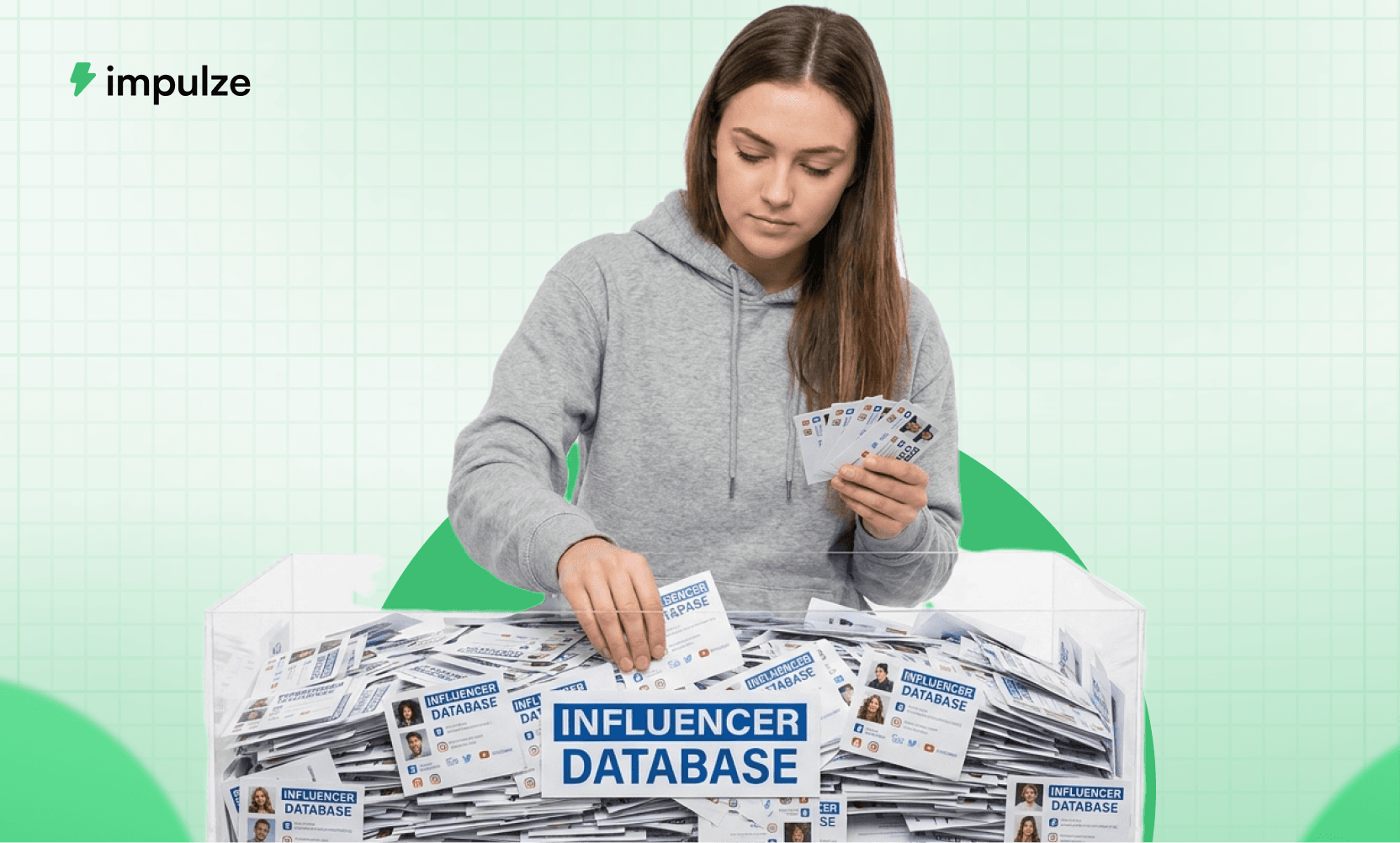
This blog shows you how to filter 200 influencer search results down to the 10 creators actually worth reaching out to.
Influencer search gives you options. Shortlisting gives you direction.
The difference matters because a campaign does not need 200 possible creators. It needs a small group of people who can reach the right audience, create the right format, fit the timeline, and make sense for the budget.
Without a shortlisting system, teams often choose creators based on whatever is easiest to see first: follower count, content style, or a familiar niche. Those signals are useful, but they do not tell the full story. A creator can look strong in search and still be wrong for the campaign.
The smarter move is to treat your search results like a funnel. Start wide, remove obvious mismatches, group creators by campaign role, check audience and content fit, then build a top 10 list for outreach with a backup list behind it.
Why More Search Results Can Slow You Down
A large creator list does not only slow down discovery. It slows down everything that comes after it.
Every extra “maybe” creator adds another profile to review, another audience to check, another rate to guess, another contact detail to find, and another opinion for the team to debate. Multiply that by 200, and the shortlist becomes a campaign task of its own.
The bigger issue is that weak filtering creates problems later in the workflow. Outreach goes to creators who were never a strong fit. Follow ups go to people outside the budget. Campaign briefs get shared with creators who cannot create the right format. Your team spends time negotiating before realizing the audience match is poor.
That time could have gone into better outreach, stronger briefs, or deeper conversations with creators who were actually ready for the campaign.
So the goal of shortlisting is not only to reduce the list from 200 to 10. It is to protect the rest of the campaign from wasted effort. A smaller list built with sharper criteria gives your team a cleaner path from discovery to outreach.
Start With the Campaign Brief, Not the Creator List
A strong shortlist starts before you look at a single creator profile.
The campaign brief should decide who makes the list, not the other way around. Without it, every creator who looks decent can feel like a possible fit, and that is how teams end up with bloated lists that look impressive but do not move the campaign forward.
Before you filter your search results, get clear on a few things:
Campaign goal: Are you trying to drive awareness, sales, UGC, app installs, event signups, or product trials?
Target buyer: Who should the creator be speaking to? Think about age, location, interests, buying behavior, and pain points.
Main platform: Does the campaign need TikTok reach, Instagram trust, YouTube depth, or a mix of platforms?
Content format: Do you need tutorials, reviews, unboxings, comparison videos, lifestyle content, or raw UGC?
Market or region: Where should the creator’s audience be based?
Budget range: What can you realistically pay per creator or per deliverable?
Timeline: How soon do you need outreach, approvals, content drafts, and live posts?
Deal breakers: What would immediately remove a creator from the shortlist?
Take a DTC skincare brand launching an acne serum in the United States. A general beauty creator with polished Reels might look good, but the better shortlist will include creators who already talk about acne care, have a strong United States audience, explain products clearly, and attract people actively looking for skincare solutions.
The same logic applies to a fitness apparel brand launching a running collection. A creator with a big fitness following may seem useful, but a runner who shares training routines, tests shoes, talks about recovery, and attracts people who care about performance gear will usually make more sense for that campaign.
The brief acts like a filter before the filters. It keeps your team from asking, “Do we like this creator?” and pushes everyone to ask, “Does this creator help this campaign work?”
First Pass: Remove Obvious Mismatches
Your first filter should be fast. Do not spend 10 minutes reviewing every creator in detail. The goal is to remove profiles that clearly do not belong.
Remove creators who:
Are outside your target market
Create content in the wrong language
Do not match the campaign niche
Have inactive profiles
Do not create the format you need
Have content that does not match your brand tone
Have obvious brand safety concerns
Have a profile that feels too broad for your product
For example, if you are promoting a premium baby care product in the United Kingdom, a parenting creator with most content in another language and a mostly non United Kingdom audience should not stay in the shortlist, even if their engagement looks strong.
This first pass can usually cut a 200 creator list down to 120 or 100 without much debate.
Free Tool: Instagram Engagement Rate Calculator
Second Pass: Group Creators by Campaign Role
This is where the article is different from a normal influencer vetting checklist. Instead of asking “Is this creator good?” ask “What role could this creator play in this campaign?”
Not every creator is useful for the same reason.
Some creators are great for reach. Some are better at trust. Some make strong UGC. Some are niche experts. Some are perfect for local campaigns. Some may not be first choice, but they are useful backups.
Group creators into roles like:
Awareness creators
These creators have strong reach, regular posting, and content that can introduce your product to a larger audience.Trust builders
These creators may have smaller audiences, but their followers listen closely to their recommendations.UGC style creators
These creators make clean, product-focused videos that your brand may want to reuse for ads, landing pages, or social content.Niche experts
These creators have authority in a specific area, such as dermatology, marathon training, plant-based cooking, or luxury travel.Sales-focused creators
These creators have a track record of driving clicks, coupon code use, affiliate sales, or product trials.Backup creators
These creators are not top priority, but they are strong enough to contact if your first list does not convert.
This helps because your final 10 should not be random. It should match the shape of the campaign.
Third Pass: Check Audience Match Before You Get Attached
A creator’s profile can look perfect and still send your campaign in the wrong direction.
Before you move someone into the final shortlist, look at who actually follows them. The audience is the part your campaign is paying to reach, so it deserves more attention than the creator’s location, follower count, or content style alone.
A creator based in Los Angeles may have most of their audience in India, Brazil, or the Philippines. That could be great for a global brand, but not for a product that only ships inside the United States. A skincare creator may make beautiful anti-aging content, but if most of their followers are teenagers, the audience fit is weak. A protein snack brand may find a lifestyle creator with strong engagement, but if the audience follows them for outfits and travel, the campaign may struggle to drive action.
Before adding a creator to your top 10, check:
Top audience country
Top audience city, especially for local campaigns
Audience age range
Audience gender split
Audience language
Audience interests
Follower quality
The goal is to avoid falling in love with the creator before checking the buyer. Let’s try this using impulze.ai. Suppose you run a makeup brand and want to find an American Instagram-based influencer whose audience consists of women in the 20-40 age group in the United States.
Here's how you can do it:
Step 1: Choose 'Bio Keywords' on the left and type' makeup influencer' in the search bar. In the filters bar on the left, choose the location as 'United States.' Choose interest as 'Beauty and Cosmetics' under the interest tab in the same filters bar.
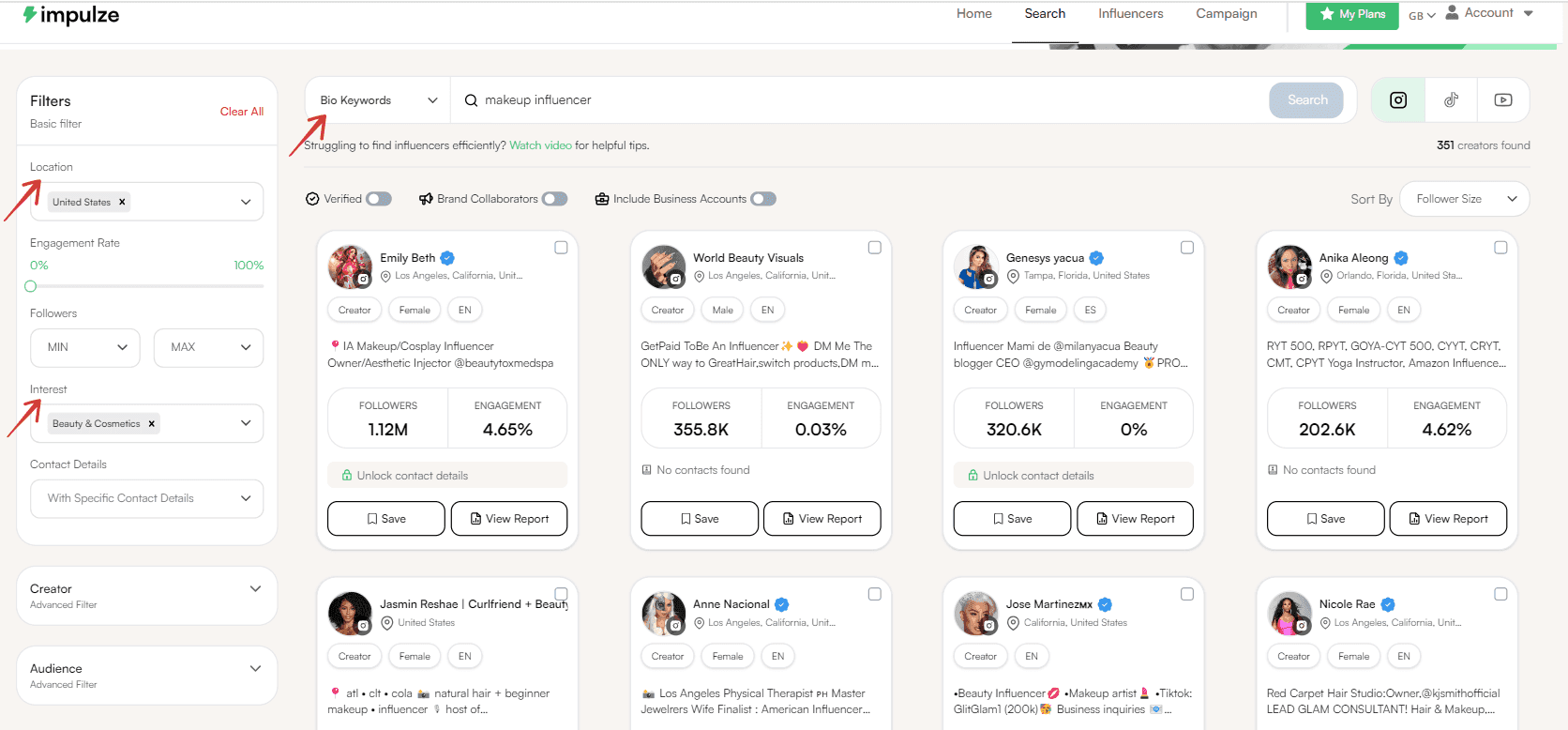
Step 2: Scroll down to see the audience filter bar. Here, you should do the following -
Choose 'Audience Credibility' as excellent.
Choose 'Audience Age' between 20 to 40.
Choose 'Gender' as female. Move the bar below to 80% (This will ensure you find an influencer with a high percentage of female followers.)
Choose 'Audience Location' as the United States. Move the bar below to 80% (This will ensure you find an influencer with a high percentage of followers based in the United States.)
Choose audience interest as 'Beauty.'
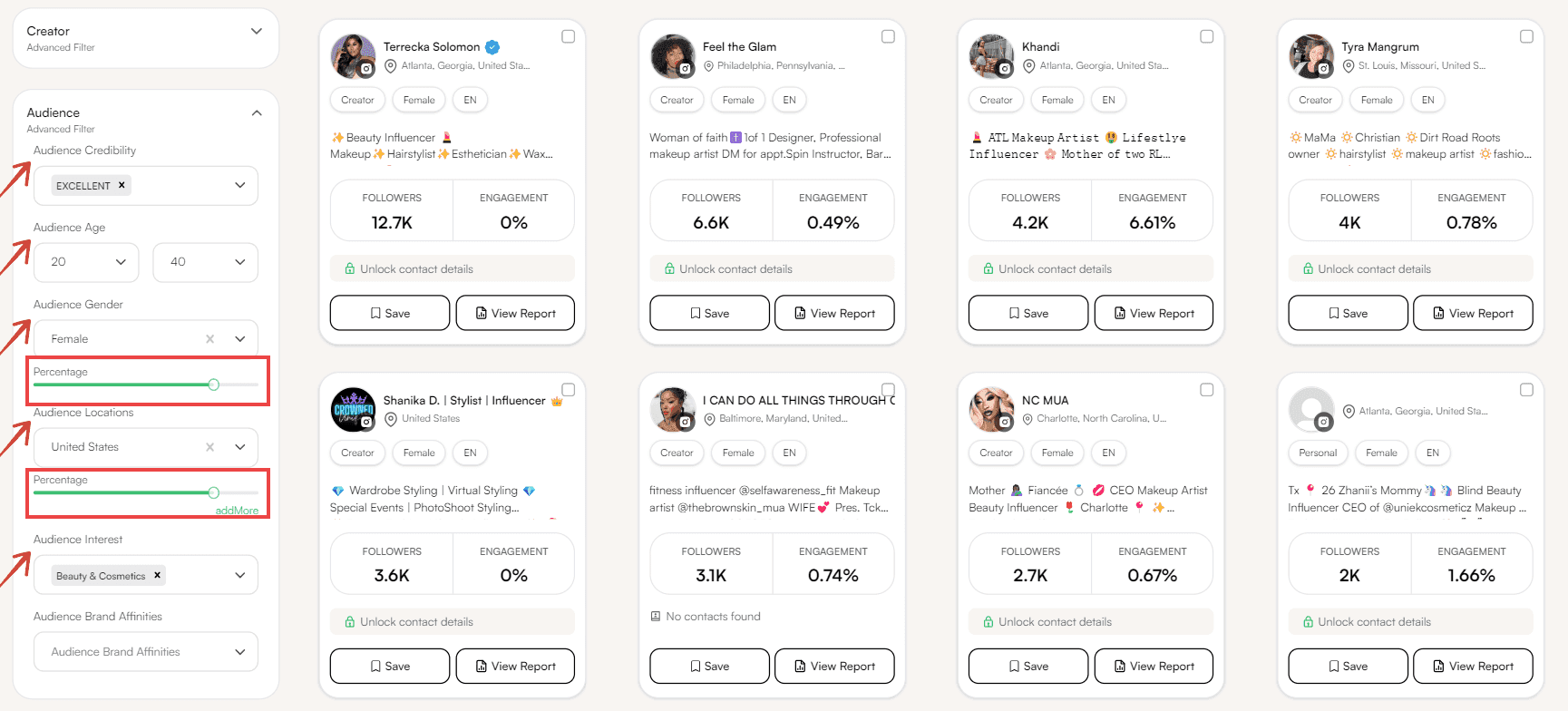
Step 3: Hit ‘Search’. A list of influencers will be shown below. Click 'View Report' below the influencer's name to see the audience analysis.
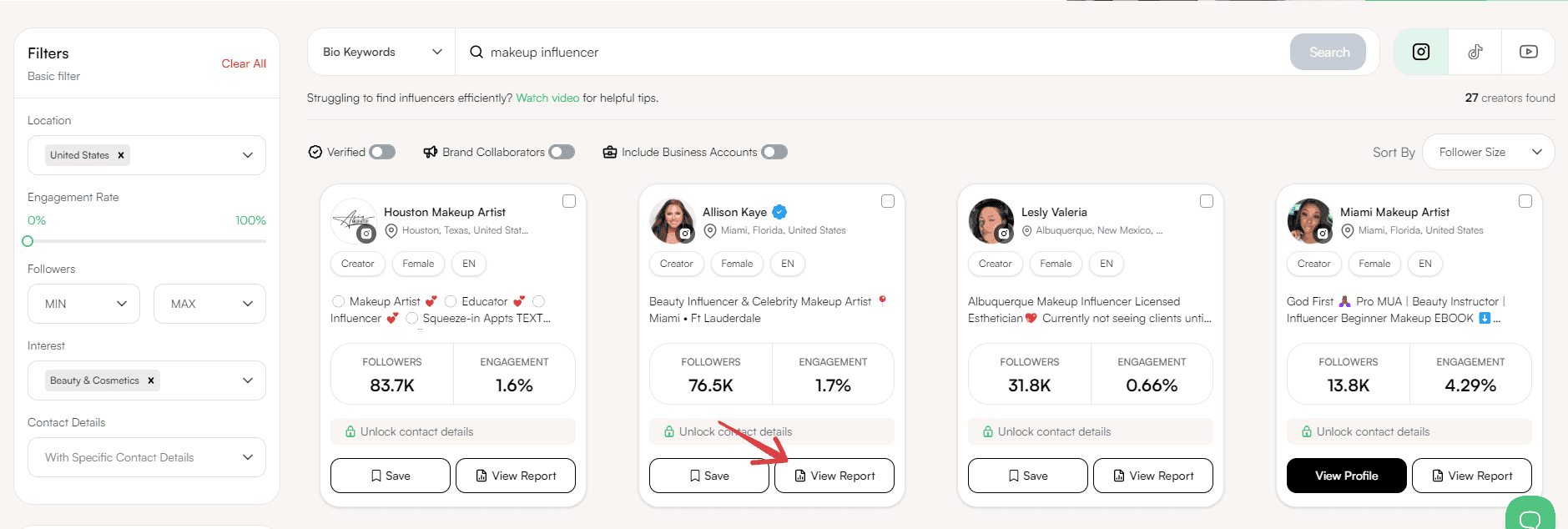
Once you click on this, an influencer analytics report will appear with the location, age, gender, language, etc. The screenshots below show what the report covers.
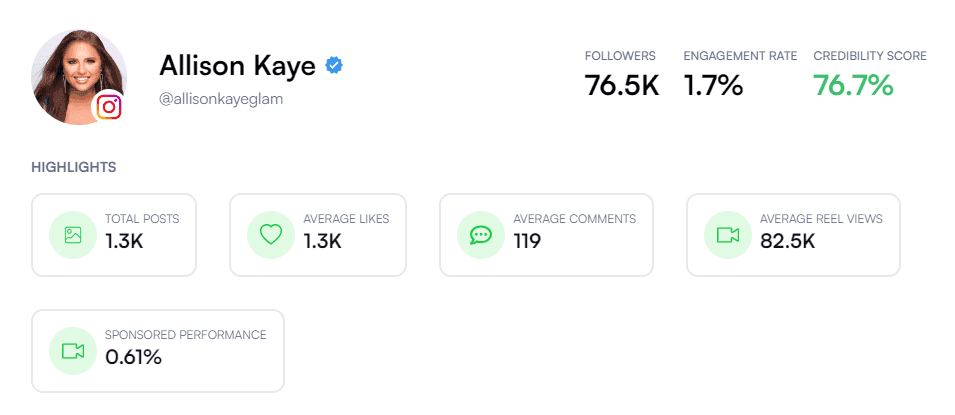
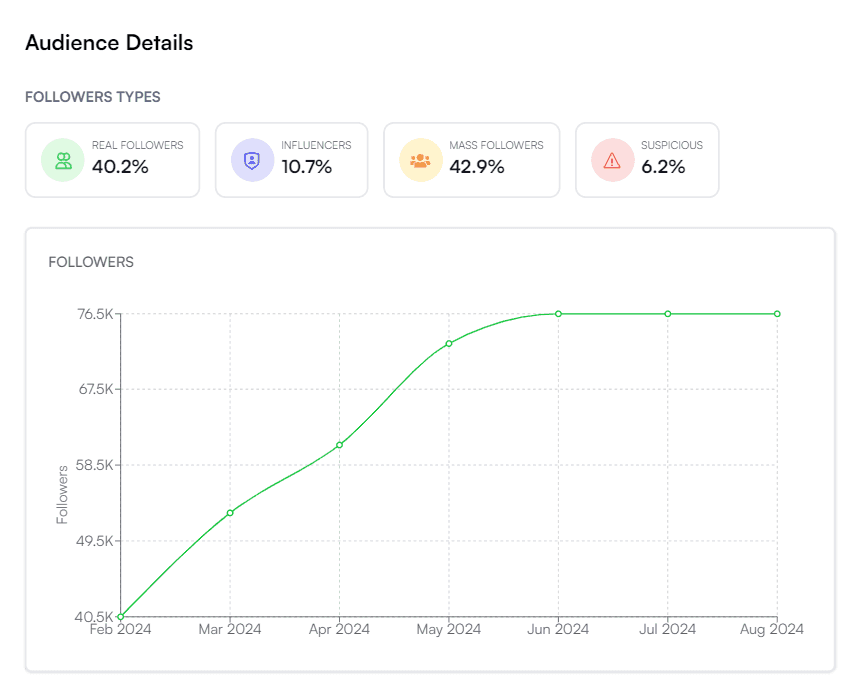
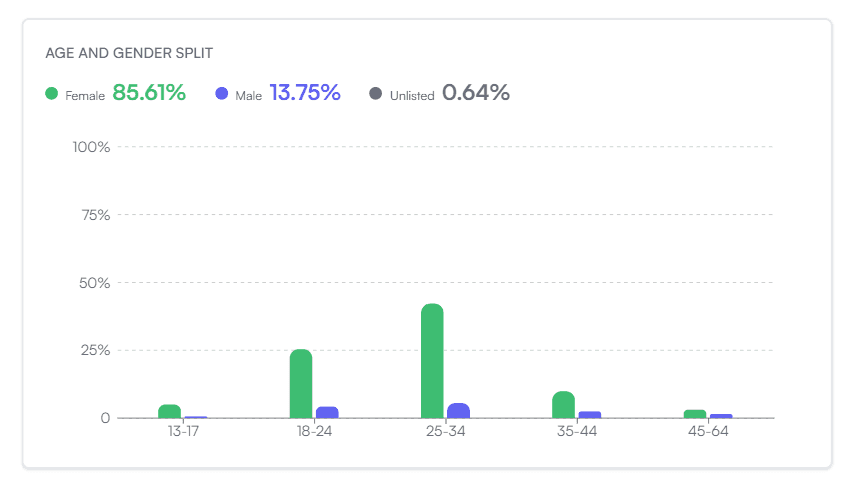
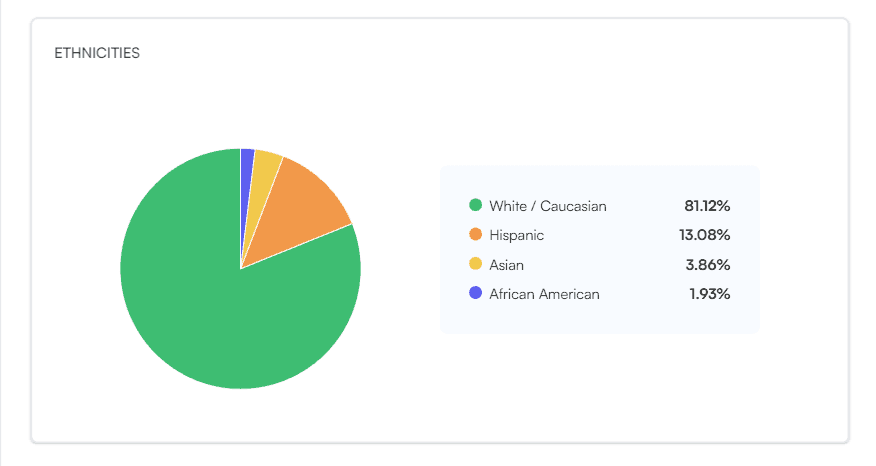
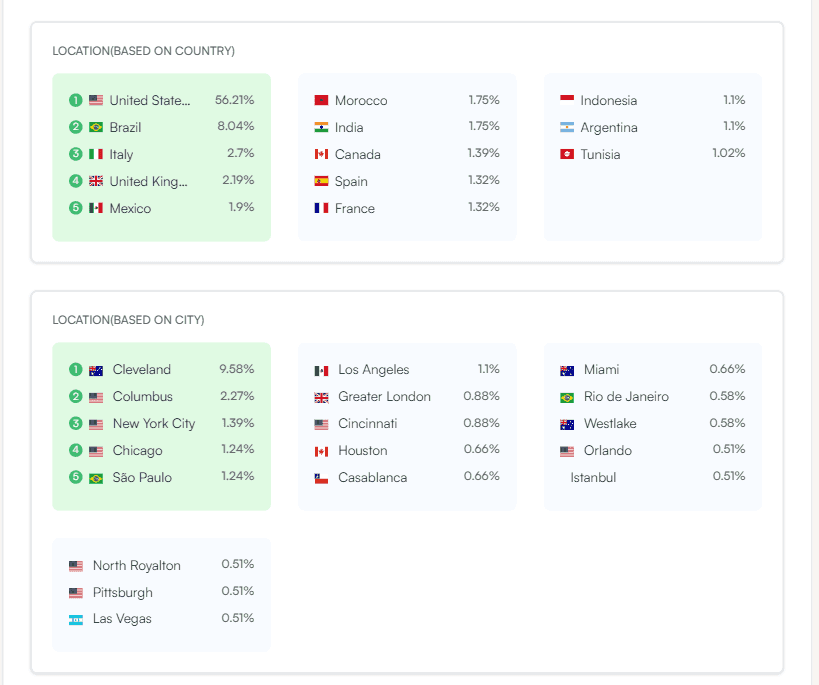
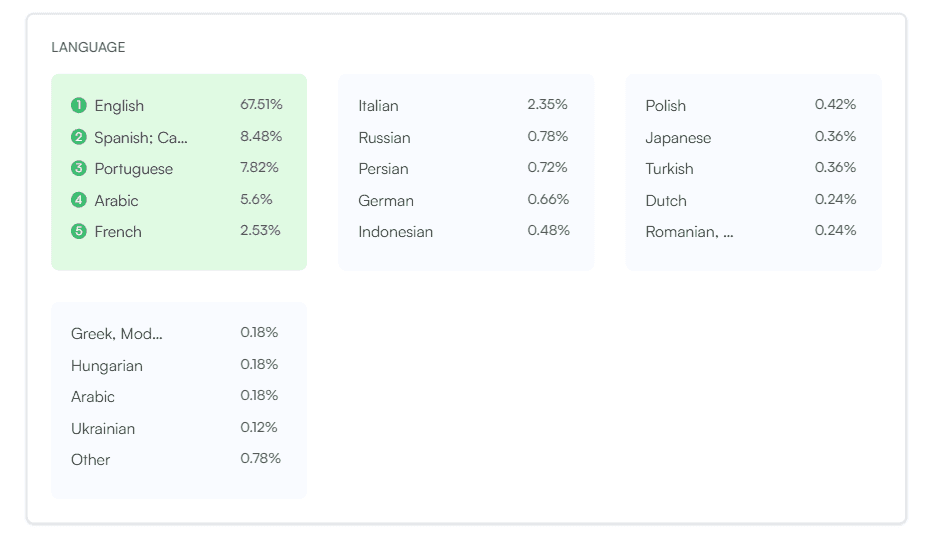
This way, you can see if a creator passes the audience fit test within seconds.
Fourth Pass: Prioritize Content Format Fit
A creator may be relevant, but can they create the type of content your campaign needs?
This matters more than many teams realize.
If your campaign needs product education, choose creators who explain things clearly. If your campaign needs quick TikTok-style discovery, choose creators with strong hooks and fast pacing. If your campaign needs UGC, choose creators who show the product well, speak naturally on camera, and create clean videos that can work beyond their own feed.
For example, a hair care brand launching a curl cream should prioritize creators who already show hair routines, before and after results, product application, and honest texture reviews. A creator who only posts polished selfies may look good, but they may not be the best person to explain why the product works.
Look for signs like:
Strong opening hooks
Clear product explanation
Natural sponsored content
Good lighting and audio
Ability to show product use
Audience comments that ask questions
Past brand content that still feels authentic
This step helps you avoid creators who are popular but not useful for your campaign format.
Fifth Pass: Check Outreach Readiness
A creator may look perfect on paper, but your priority list should also be built for speed.
At this stage, ask one practical question:
Can we realistically contact this creator, get a reply, agree on terms, and move them into the campaign within our timeline?
If the answer is unclear, they may still be a good creator, but they should probably sit in the backup list instead of the first outreach batch.
Look for signs that the creator is ready for outreach:
They have a public email or manager contact.
They have posted recently and seem active.
Their bio, content, or past posts show they are open to brand collaborations.
They have done sponsored content before without making it feel forced.
Their usual content quality seems aligned with your expected budget.
Their posting schedule looks active enough for your campaign timeline.
They are not currently promoting a direct competitor in a way that could create conflict.
Think of a product launch that goes live in three weeks. A creator may have the right audience and beautiful content, but if they post once a month, have no visible contact details, and usually work through a large management team, they may slow the campaign down. They can still be saved for later, but your first 10 should include creators your team can actually move forward with.
This is also where impulze.ai can make the shortlist more practical. You can find creator contact details, save outreach-ready creators into lists, and move from search to outreach without manually hunting for emails across bios, websites, and social profiles. You can sign up for free and start exploring this.
Use a Simple Shortlisting Score
Once your list is down to a manageable group, use a simple score to choose the top 10. You do not need a complicated system. You only need something consistent enough that your team can compare creators fairly.
Score each creator out of 100:
Campaign relevance: 30 points
Audience match: 20 points
Content format fit: 15 points
Outreach readiness: 15 points
Budget fit: 10 points
Past brand collaboration quality: 10 points
Creators with 80 or more points should go into your priority outreach list.
Creators between 65 and 79 can go into your backup list.
Creators below 65 should usually be removed or saved for a future campaign with a better fit.
For example, imagine you are shortlisting creators for a vegan protein powder campaign. A creator who makes gym content, has a health-focused audience, regularly reviews nutrition products, and has a public email may score high even with a smaller audience. A lifestyle creator with more followers but weak fitness relevance may score lower because the campaign fit is not strong enough.
This keeps the conversation focused on fit, not just popularity.
Build a 10 Plus 10 Shortlist
Do not stop at only 10 creators.
Build two lists:
Top 10 priority creators
These are the creators you contact first.Next 10 backup creators
These are strong options if your first group does not reply, quotes too high, has timing issues, or is already working with a competitor.
This is more realistic because influencer outreach rarely has a 100 percent response rate. Even great creators may not reply, may be booked, or may not fit the budget.
A backup list saves your campaign from starting over.
Final Thoughts
A big creator list can make your team feel like there are plenty of options, but options only become useful when you know how to prioritize them.
Before you contact 50 creators, ask a better question.
Which 10 creators match the campaign goal, speak to the right audience, create the format you need, fit your budget, and are actually ready for outreach?
That is the difference between a search result and a shortlist. The first gives you names. The second gives your team direction.
With impulze.ai, you can filter, analyze, shortlist, contact, and manage creators from one place, so your team can spend less time sorting through search results and more time building campaigns with creators who are actually worth reaching out to. Get started for free today.
Influencer search gives you options. Shortlisting gives you direction.
The difference matters because a campaign does not need 200 possible creators. It needs a small group of people who can reach the right audience, create the right format, fit the timeline, and make sense for the budget.
Without a shortlisting system, teams often choose creators based on whatever is easiest to see first: follower count, content style, or a familiar niche. Those signals are useful, but they do not tell the full story. A creator can look strong in search and still be wrong for the campaign.
The smarter move is to treat your search results like a funnel. Start wide, remove obvious mismatches, group creators by campaign role, check audience and content fit, then build a top 10 list for outreach with a backup list behind it.
Why More Search Results Can Slow You Down
A large creator list does not only slow down discovery. It slows down everything that comes after it.
Every extra “maybe” creator adds another profile to review, another audience to check, another rate to guess, another contact detail to find, and another opinion for the team to debate. Multiply that by 200, and the shortlist becomes a campaign task of its own.
The bigger issue is that weak filtering creates problems later in the workflow. Outreach goes to creators who were never a strong fit. Follow ups go to people outside the budget. Campaign briefs get shared with creators who cannot create the right format. Your team spends time negotiating before realizing the audience match is poor.
That time could have gone into better outreach, stronger briefs, or deeper conversations with creators who were actually ready for the campaign.
So the goal of shortlisting is not only to reduce the list from 200 to 10. It is to protect the rest of the campaign from wasted effort. A smaller list built with sharper criteria gives your team a cleaner path from discovery to outreach.
Start With the Campaign Brief, Not the Creator List
A strong shortlist starts before you look at a single creator profile.
The campaign brief should decide who makes the list, not the other way around. Without it, every creator who looks decent can feel like a possible fit, and that is how teams end up with bloated lists that look impressive but do not move the campaign forward.
Before you filter your search results, get clear on a few things:
Campaign goal: Are you trying to drive awareness, sales, UGC, app installs, event signups, or product trials?
Target buyer: Who should the creator be speaking to? Think about age, location, interests, buying behavior, and pain points.
Main platform: Does the campaign need TikTok reach, Instagram trust, YouTube depth, or a mix of platforms?
Content format: Do you need tutorials, reviews, unboxings, comparison videos, lifestyle content, or raw UGC?
Market or region: Where should the creator’s audience be based?
Budget range: What can you realistically pay per creator or per deliverable?
Timeline: How soon do you need outreach, approvals, content drafts, and live posts?
Deal breakers: What would immediately remove a creator from the shortlist?
Take a DTC skincare brand launching an acne serum in the United States. A general beauty creator with polished Reels might look good, but the better shortlist will include creators who already talk about acne care, have a strong United States audience, explain products clearly, and attract people actively looking for skincare solutions.
The same logic applies to a fitness apparel brand launching a running collection. A creator with a big fitness following may seem useful, but a runner who shares training routines, tests shoes, talks about recovery, and attracts people who care about performance gear will usually make more sense for that campaign.
The brief acts like a filter before the filters. It keeps your team from asking, “Do we like this creator?” and pushes everyone to ask, “Does this creator help this campaign work?”
First Pass: Remove Obvious Mismatches
Your first filter should be fast. Do not spend 10 minutes reviewing every creator in detail. The goal is to remove profiles that clearly do not belong.
Remove creators who:
Are outside your target market
Create content in the wrong language
Do not match the campaign niche
Have inactive profiles
Do not create the format you need
Have content that does not match your brand tone
Have obvious brand safety concerns
Have a profile that feels too broad for your product
For example, if you are promoting a premium baby care product in the United Kingdom, a parenting creator with most content in another language and a mostly non United Kingdom audience should not stay in the shortlist, even if their engagement looks strong.
This first pass can usually cut a 200 creator list down to 120 or 100 without much debate.
Free Tool: Instagram Engagement Rate Calculator
Second Pass: Group Creators by Campaign Role
This is where the article is different from a normal influencer vetting checklist. Instead of asking “Is this creator good?” ask “What role could this creator play in this campaign?”
Not every creator is useful for the same reason.
Some creators are great for reach. Some are better at trust. Some make strong UGC. Some are niche experts. Some are perfect for local campaigns. Some may not be first choice, but they are useful backups.
Group creators into roles like:
Awareness creators
These creators have strong reach, regular posting, and content that can introduce your product to a larger audience.Trust builders
These creators may have smaller audiences, but their followers listen closely to their recommendations.UGC style creators
These creators make clean, product-focused videos that your brand may want to reuse for ads, landing pages, or social content.Niche experts
These creators have authority in a specific area, such as dermatology, marathon training, plant-based cooking, or luxury travel.Sales-focused creators
These creators have a track record of driving clicks, coupon code use, affiliate sales, or product trials.Backup creators
These creators are not top priority, but they are strong enough to contact if your first list does not convert.
This helps because your final 10 should not be random. It should match the shape of the campaign.
Third Pass: Check Audience Match Before You Get Attached
A creator’s profile can look perfect and still send your campaign in the wrong direction.
Before you move someone into the final shortlist, look at who actually follows them. The audience is the part your campaign is paying to reach, so it deserves more attention than the creator’s location, follower count, or content style alone.
A creator based in Los Angeles may have most of their audience in India, Brazil, or the Philippines. That could be great for a global brand, but not for a product that only ships inside the United States. A skincare creator may make beautiful anti-aging content, but if most of their followers are teenagers, the audience fit is weak. A protein snack brand may find a lifestyle creator with strong engagement, but if the audience follows them for outfits and travel, the campaign may struggle to drive action.
Before adding a creator to your top 10, check:
Top audience country
Top audience city, especially for local campaigns
Audience age range
Audience gender split
Audience language
Audience interests
Follower quality
The goal is to avoid falling in love with the creator before checking the buyer. Let’s try this using impulze.ai. Suppose you run a makeup brand and want to find an American Instagram-based influencer whose audience consists of women in the 20-40 age group in the United States.
Here's how you can do it:
Step 1: Choose 'Bio Keywords' on the left and type' makeup influencer' in the search bar. In the filters bar on the left, choose the location as 'United States.' Choose interest as 'Beauty and Cosmetics' under the interest tab in the same filters bar.
Step 2: Scroll down to see the audience filter bar. Here, you should do the following -
Choose 'Audience Credibility' as excellent.
Choose 'Audience Age' between 20 to 40.
Choose 'Gender' as female. Move the bar below to 80% (This will ensure you find an influencer with a high percentage of female followers.)
Choose 'Audience Location' as the United States. Move the bar below to 80% (This will ensure you find an influencer with a high percentage of followers based in the United States.)
Choose audience interest as 'Beauty.'
Step 3: Hit ‘Search’. A list of influencers will be shown below. Click 'View Report' below the influencer's name to see the audience analysis.
Once you click on this, an influencer analytics report will appear with the location, age, gender, language, etc. The screenshots below show what the report covers.
This way, you can see if a creator passes the audience fit test within seconds.
Fourth Pass: Prioritize Content Format Fit
A creator may be relevant, but can they create the type of content your campaign needs?
This matters more than many teams realize.
If your campaign needs product education, choose creators who explain things clearly. If your campaign needs quick TikTok-style discovery, choose creators with strong hooks and fast pacing. If your campaign needs UGC, choose creators who show the product well, speak naturally on camera, and create clean videos that can work beyond their own feed.
For example, a hair care brand launching a curl cream should prioritize creators who already show hair routines, before and after results, product application, and honest texture reviews. A creator who only posts polished selfies may look good, but they may not be the best person to explain why the product works.
Look for signs like:
Strong opening hooks
Clear product explanation
Natural sponsored content
Good lighting and audio
Ability to show product use
Audience comments that ask questions
Past brand content that still feels authentic
This step helps you avoid creators who are popular but not useful for your campaign format.
Fifth Pass: Check Outreach Readiness
A creator may look perfect on paper, but your priority list should also be built for speed.
At this stage, ask one practical question:
Can we realistically contact this creator, get a reply, agree on terms, and move them into the campaign within our timeline?
If the answer is unclear, they may still be a good creator, but they should probably sit in the backup list instead of the first outreach batch.
Look for signs that the creator is ready for outreach:
They have a public email or manager contact.
They have posted recently and seem active.
Their bio, content, or past posts show they are open to brand collaborations.
They have done sponsored content before without making it feel forced.
Their usual content quality seems aligned with your expected budget.
Their posting schedule looks active enough for your campaign timeline.
They are not currently promoting a direct competitor in a way that could create conflict.
Think of a product launch that goes live in three weeks. A creator may have the right audience and beautiful content, but if they post once a month, have no visible contact details, and usually work through a large management team, they may slow the campaign down. They can still be saved for later, but your first 10 should include creators your team can actually move forward with.
This is also where impulze.ai can make the shortlist more practical. You can find creator contact details, save outreach-ready creators into lists, and move from search to outreach without manually hunting for emails across bios, websites, and social profiles. You can sign up for free and start exploring this.
Use a Simple Shortlisting Score
Once your list is down to a manageable group, use a simple score to choose the top 10. You do not need a complicated system. You only need something consistent enough that your team can compare creators fairly.
Score each creator out of 100:
Campaign relevance: 30 points
Audience match: 20 points
Content format fit: 15 points
Outreach readiness: 15 points
Budget fit: 10 points
Past brand collaboration quality: 10 points
Creators with 80 or more points should go into your priority outreach list.
Creators between 65 and 79 can go into your backup list.
Creators below 65 should usually be removed or saved for a future campaign with a better fit.
For example, imagine you are shortlisting creators for a vegan protein powder campaign. A creator who makes gym content, has a health-focused audience, regularly reviews nutrition products, and has a public email may score high even with a smaller audience. A lifestyle creator with more followers but weak fitness relevance may score lower because the campaign fit is not strong enough.
This keeps the conversation focused on fit, not just popularity.
Build a 10 Plus 10 Shortlist
Do not stop at only 10 creators.
Build two lists:
Top 10 priority creators
These are the creators you contact first.Next 10 backup creators
These are strong options if your first group does not reply, quotes too high, has timing issues, or is already working with a competitor.
This is more realistic because influencer outreach rarely has a 100 percent response rate. Even great creators may not reply, may be booked, or may not fit the budget.
A backup list saves your campaign from starting over.
Final Thoughts
A big creator list can make your team feel like there are plenty of options, but options only become useful when you know how to prioritize them.
Before you contact 50 creators, ask a better question.
Which 10 creators match the campaign goal, speak to the right audience, create the format you need, fit your budget, and are actually ready for outreach?
That is the difference between a search result and a shortlist. The first gives you names. The second gives your team direction.
With impulze.ai, you can filter, analyze, shortlist, contact, and manage creators from one place, so your team can spend less time sorting through search results and more time building campaigns with creators who are actually worth reaching out to. Get started for free today.
Frequently Asked Questions
How do I shortlist influencers for a campaign?

How do I shortlist influencers for a campaign?
How many influencers should I reach out to?
How many influencers should I reach out to?
What should I check before contacting an influencer?
What should I check before contacting an influencer?
Should I choose influencers based on followers or engagement?
Should I choose influencers based on followers or engagement?
How do I know if an influencer is worth reaching out to?
How do I know if an influencer is worth reaching out to?
How do I filter influencer search results faster?
How do I filter influencer search results faster?
What is the difference between shortlisting and vetting influencers?
What is the difference between shortlisting and vetting influencers?
Author Bio
Author Bio
Rashmi Singh
Rashmi Singh
Rashmi Singh is a writer and strategist with more than 7 years of experience. When not writing, she is either spending time with her friends or planning her next trip. You can learn more about her here.
Rashmi Singh is a writer and strategist with more than 7 years of experience. When not writing, she is either spending time with her friends or planning her next trip. You can learn more about her here.
We Also Recommend To Read