🥳 Skip the subscription. Pay $299 once for lifetime access— See lifetime plans
🥳 Skip the subscription. Pay $299 once for lifetime access—

7 MIN READ
Communication
Communication
How to Handle Creators Who Stop Responding Mid-Campaign
How to Handle Creators Who Stop Responding Mid-Campaign
How to Handle Creators Who Stop Responding Mid-Campaign
Sections
Build your first creator list on Solo, $29 a month.

Blog in Short ⏱️
Blog in Short ⏱️
A quick glance at the highlights—perfect for when you're short on time.
A quick glance at the highlights—perfect for when you're short on time.
Influencer ghosting happens frequently in campaigns, but most situations can be handled quickly with the right approach.
Identify the type of ghost: overwhelmed creator, confused creator, or someone who has abandoned the deal.
Switch communication channels first. If email fails, try DMs on the creator’s main platform.
Send one final follow-up with a clear deadline and consequence.
If there is still no response, rely on your contract and release the slot.
Activate backup creators so your campaign timeline stays intact.
Prevent future ghosting by staggering payments, setting mid-campaign check-ins, and working with creators who show consistent posting behavior.
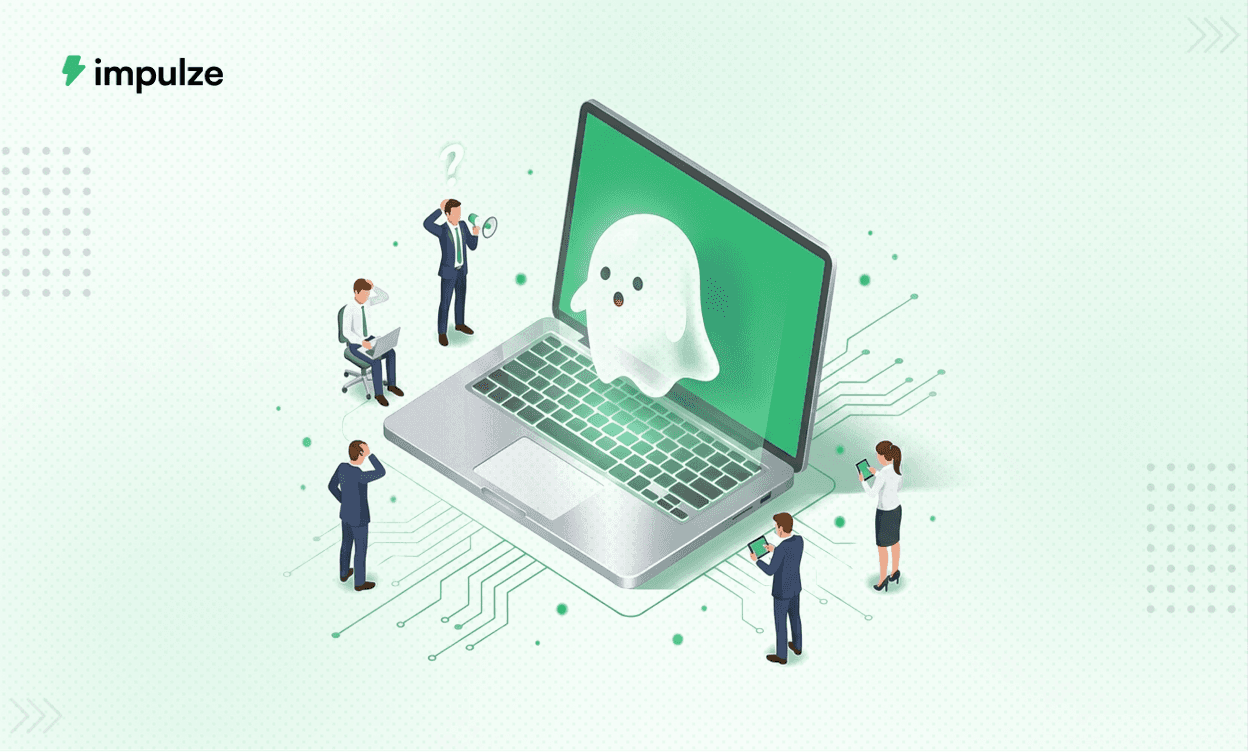
Influencer ghosting is one of the most common and most avoidable problems in campaign management. You've confirmed deliverables, agreed on a posting date, maybe even sent product or the first payment installment. Then nothing. No content, no updates, no replies to your follow-ups.
It happens constantly, especially with micro-influencers who are managing your campaign alongside a day job and two other brand deals.
The good news is that most creator ghosting is recoverable if you know what to do and when. This is the exact sequence to follow, from first follow-up to cutting your losses, without burning the relationship or missing your campaign window.
First, Figure Out Which Type of Ghost You're Dealing With
Not all silence means the same thing, and how you respond should depend on the situation.
The overwhelmed creator. They agreed to the campaign with good intentions, got buried, and your messages slipped. This is the most common scenario, especially with micro-influencers. They're not blowing you off, they're just not professional content managers running a tight inbox.
The uncertain creator. Something in the brief confused them; they felt weird asking, and now they've avoided the conversation long enough that it feels awkward to re-engage. A small detail about content approval or usage rights is often the culprit.
The actual ghost. They took the gifted product or the first payment installment and have gone quiet with no intention of following through. Less common, but it happens.
The steps below work in order. Start with the assumption that you're dealing with the first two, and escalate only if needed.
Step 1: Switch Channels Before Escalating Tone
Your follow-up email probably landed in the same inbox as the original message they didn't respond to. If you emailed them, DM them on the platform they actually post on. If you've only been in DMs, try email. Creators who are active on Instagram but bad at email will often reply to a DM within hours when they've ignored an email for two weeks.
Keep this message short and assume positive intent:
"Hey [name], just checking in on the [brand] collab. Want to make sure you have everything you need before [deadline]. Let me know if anything came up or if you need me to resend the brief."
No guilt, no pressure, no recap of how many times you've followed up. You're giving them an easy re-entry point.
Step 2: Give a Clear, Final Deadline
If the first check-in gets no response within 48–72 hours, send one more message with a specific deadline and a stated consequence.
"Hey, I wanted to follow up one more time. We need to confirm by [date] or we'll need to reassign the deliverable to another creator. Happy to extend the posting window if timing is the issue. Just let me know."
This message does two things: it signals that you will move on (which prompts real responses from creators who are genuinely just slow), and it gives them a face-saving out if scheduling is the actual problem.
A lot of influencer ghosting resolves itself here. You'll often get a reply within the hour.
Step 3: Use Your Contract
If you have a signed agreement with payment tied to deliverable completion, this is where it pays off. You're not obligated to chase anyone who hasn't held up their end of the deal, and you don't owe them the remaining balance for work they haven't done.
Send a professional note: "Per our agreement, the deliverable was due [date]. Since we haven't heard back, we're releasing your spot in the campaign. If you'd like to complete the content, we're open to that conversation before [final date], but we'll need to hear from you by then."
If they took gifted product but never signed a formal agreement — which is common for gifting-only campaigns — you have less leverage, and it's usually not worth pursuing. Write it off, add them to your do-not-work-with list, and move on.
Step 4: Activate Your Backup Creators
This is the step most brands skip in planning and regret mid-campaign.
Every campaign should have a short list of backup creators. Ideally people who've already engaged with your brand organically, who you can reach out to quickly if a confirmed creator goes silent.
You don't need backup creators under contract. You just need them identified. When a slot opens up, you're pitching people who already like your product, which means faster confirmation and more authentic content anyway.
Influencer marketing platforms like Impulze.ai help you build a backup creator list in advance by filtering creators based on niche, engagement rate, and posting consistency.
Also Read: How to Say No to an Influencer Without Burning Bridges
What to Do Differently Next Time
The best fix for influencer ghosting is reducing how often it happens.
A few things that make a real difference:
Stagger payments. If you're paying a fee, split it. 50% on signed agreement, 50% on posted content. Creators who aren't serious about delivering will self-select out at the contract stage.
Set a mid-campaign check-in. A quick message 5–7 days before the posting deadline. Just asking if they need anything. This catches problems while there's still time to fix them. Most brands skip this and only reach out once the deadline has already passed.
Watch for early warning signs. A creator who's slow to confirm product receipt, slow to acknowledge the brief, or vague about their posting timeline is showing you how they operate. That's the moment to tighten expectations or start identifying a backup, not after they've gone silent.
The Bottom Line
Influencer ghosting happens, but it should not derail your campaign.
Start with the assumption that the creator simply missed your message. Switch channels, send one clear follow-up with a deadline, and escalate only if needed. If there is still no response, move on and activate a backup creator so your campaign timeline stays intact.
The real solution is prevention. Clear contracts, staggered payments, and choosing reliable creators reduce the chances of ghosting in the first place.
And when you have the right tools to identify creators with consistent posting history and strong engagement, you start campaigns with partners who are far less likely to disappear.
Influencer ghosting is one of the most common and most avoidable problems in campaign management. You've confirmed deliverables, agreed on a posting date, maybe even sent product or the first payment installment. Then nothing. No content, no updates, no replies to your follow-ups.
It happens constantly, especially with micro-influencers who are managing your campaign alongside a day job and two other brand deals.
The good news is that most creator ghosting is recoverable if you know what to do and when. This is the exact sequence to follow, from first follow-up to cutting your losses, without burning the relationship or missing your campaign window.
First, Figure Out Which Type of Ghost You're Dealing With
Not all silence means the same thing, and how you respond should depend on the situation.
The overwhelmed creator. They agreed to the campaign with good intentions, got buried, and your messages slipped. This is the most common scenario, especially with micro-influencers. They're not blowing you off, they're just not professional content managers running a tight inbox.
The uncertain creator. Something in the brief confused them; they felt weird asking, and now they've avoided the conversation long enough that it feels awkward to re-engage. A small detail about content approval or usage rights is often the culprit.
The actual ghost. They took the gifted product or the first payment installment and have gone quiet with no intention of following through. Less common, but it happens.
The steps below work in order. Start with the assumption that you're dealing with the first two, and escalate only if needed.
Step 1: Switch Channels Before Escalating Tone
Your follow-up email probably landed in the same inbox as the original message they didn't respond to. If you emailed them, DM them on the platform they actually post on. If you've only been in DMs, try email. Creators who are active on Instagram but bad at email will often reply to a DM within hours when they've ignored an email for two weeks.
Keep this message short and assume positive intent:
"Hey [name], just checking in on the [brand] collab. Want to make sure you have everything you need before [deadline]. Let me know if anything came up or if you need me to resend the brief."
No guilt, no pressure, no recap of how many times you've followed up. You're giving them an easy re-entry point.
Step 2: Give a Clear, Final Deadline
If the first check-in gets no response within 48–72 hours, send one more message with a specific deadline and a stated consequence.
"Hey, I wanted to follow up one more time. We need to confirm by [date] or we'll need to reassign the deliverable to another creator. Happy to extend the posting window if timing is the issue. Just let me know."
This message does two things: it signals that you will move on (which prompts real responses from creators who are genuinely just slow), and it gives them a face-saving out if scheduling is the actual problem.
A lot of influencer ghosting resolves itself here. You'll often get a reply within the hour.
Step 3: Use Your Contract
If you have a signed agreement with payment tied to deliverable completion, this is where it pays off. You're not obligated to chase anyone who hasn't held up their end of the deal, and you don't owe them the remaining balance for work they haven't done.
Send a professional note: "Per our agreement, the deliverable was due [date]. Since we haven't heard back, we're releasing your spot in the campaign. If you'd like to complete the content, we're open to that conversation before [final date], but we'll need to hear from you by then."
If they took gifted product but never signed a formal agreement — which is common for gifting-only campaigns — you have less leverage, and it's usually not worth pursuing. Write it off, add them to your do-not-work-with list, and move on.
Step 4: Activate Your Backup Creators
This is the step most brands skip in planning and regret mid-campaign.
Every campaign should have a short list of backup creators. Ideally people who've already engaged with your brand organically, who you can reach out to quickly if a confirmed creator goes silent.
You don't need backup creators under contract. You just need them identified. When a slot opens up, you're pitching people who already like your product, which means faster confirmation and more authentic content anyway.
Influencer marketing platforms like Impulze.ai help you build a backup creator list in advance by filtering creators based on niche, engagement rate, and posting consistency.
Also Read: How to Say No to an Influencer Without Burning Bridges
What to Do Differently Next Time
The best fix for influencer ghosting is reducing how often it happens.
A few things that make a real difference:
Stagger payments. If you're paying a fee, split it. 50% on signed agreement, 50% on posted content. Creators who aren't serious about delivering will self-select out at the contract stage.
Set a mid-campaign check-in. A quick message 5–7 days before the posting deadline. Just asking if they need anything. This catches problems while there's still time to fix them. Most brands skip this and only reach out once the deadline has already passed.
Watch for early warning signs. A creator who's slow to confirm product receipt, slow to acknowledge the brief, or vague about their posting timeline is showing you how they operate. That's the moment to tighten expectations or start identifying a backup, not after they've gone silent.
The Bottom Line
Influencer ghosting happens, but it should not derail your campaign.
Start with the assumption that the creator simply missed your message. Switch channels, send one clear follow-up with a deadline, and escalate only if needed. If there is still no response, move on and activate a backup creator so your campaign timeline stays intact.
The real solution is prevention. Clear contracts, staggered payments, and choosing reliable creators reduce the chances of ghosting in the first place.
And when you have the right tools to identify creators with consistent posting history and strong engagement, you start campaigns with partners who are far less likely to disappear.
Frequently Asked Questions
What should I do if an influencer took my product and stopped responding?

What should I do if an influencer took my product and stopped responding?
How many times should I follow up before giving up?
How many times should I follow up before giving up?
Should I publicly call out a creator who ghosted my campaign?
Should I publicly call out a creator who ghosted my campaign?
How do I prevent influencer ghosting before it starts?
How do I prevent influencer ghosting before it starts?
Does influencer ghosting happen more with micro-influencers?
Does influencer ghosting happen more with micro-influencers?
We Also Recommend To Read