🥳 Skip the subscription. Pay $299 once for lifetime access— See lifetime plans
🥳 Skip the subscription. Pay $299 once for lifetime access—

11 MIN READ
Strategy
Strategy
How to Build an Annual Influencer Marketing Strategy
How to Build an Annual Influencer Marketing Strategy
How to Build an Annual Influencer Marketing Strategy

Rashmi Singh
Rashmi Singh
Rashmi Singh
Content Marketer @impulze.ai
Sections
Try Influencer marketing tools for free

Blog in Short ⏱️
Blog in Short ⏱️
A quick glance at the highlights—perfect for when you're short on time.
A quick glance at the highlights—perfect for when you're short on time.
An annual influencer strategy helps brands stay consistent and scalable. Instead of reacting month to month, plan with clear steps:
Set clear goals: awareness, sales, UGC, or community.
Understand your audience before picking creators.
Decide your influencer mix: nano, micro, macro.
Assign platform roles by quarter (IG, TikTok, YouTube).
Plan quarterly themes: storytelling → education → trust → conversions.
Fix core content formats in advance.
Build long-term creator relationships, not one-offs.
Budget yearly, not per campaign.
Track and optimize quarterly based on performance.
A structured plan turns influencer marketing into a long-term growth channel.
Most brands don’t fail at influencer marketing because influencers don’t work.
They fail because there’s no plan.
One month, they run a campaign because “everyone is doing it.”
Another month, they pause because the results weren’t instant.
Then they start again during a launch or festive season.
That’s not a strategy. That’s reacting.
Influencer marketing works best when it’s planned like a long-term growth channel. And that’s exactly where an annual influencer marketing strategy comes in.
In this guide, we’ll break down how to build a 12-month influencer marketing plan—step by step, in simple language, without jargon.
So let’s begin!
What an Annual Strategy Actually Helps You Do
When you zoom out and plan influencer marketing for the entire year, something important happens. You’re no longer running campaigns because a launch is coming up or because competitors are doing it. Instead, every influencer activity has a purpose and a place in the bigger picture.
This shift alone changes how effective—and how manageable—your influencer efforts become. A few other things that happen when you plan your annual influencer marketing plan are:
1. You Stay Consistently Visible without Being Annoying
One of the biggest benefits of an annual influencer strategy is consistency. Without a long-term plan, most brands disappear for months and then suddenly show up with a heavy campaign push. This on-and-off visibility makes it hard for audiences to remember or trust a brand.
With an annual strategy, your brand shows up regularly in people’s feeds, but in a natural, non-intrusive way. And when someone is finally ready to make a purchase, your brand doesn’t feel new or risky; it already feels known.
2. You Build Long-term Creator Relationships Instead of One-off Deals
Influencer marketing works best when it feels genuine, and genuineness takes time. When creators talk about your brand repeatedly over months, their audience starts believing that the relationship is real.
With year-round planning, you can work with the same creators across multiple quarters, turn your best-performing influencers into ambassadors, and give creators enough time to truly understand your brand, products, and values.
3. You Control Budgets Instead of Reacting to Them
Without a yearly plan, influencer budgets often get spent impulsively. Brands tend to overspend during big launches or festive seasons and then pull back completely during quieter months. This reactive approach not only strains budgets but also breaks campaign momentum.
An annual influencer strategy brings structure to spending. You can allocate budgets evenly across the year, reserve higher spends for key launches or seasonal moments, and still keep a portion aside for experiments, trends, or unexpected opportunities.
Instead of rushing to approve spending at the last minute, you know in advance where your money is going. This allows you to spend smarter—not just faster—and ensures influencer marketing remains sustainable, not sporadic.
4. You Measure Real Impact, Not Just Vanity Metrics
When influencer marketing is planned annually, measurement becomes far more meaningful. Instead of judging success based on isolated posts, you can track performance over time. This makes it easier to see which creators consistently deliver results, which content formats work best, and how influencer activity contributes to actual business outcomes.
An annual approach allows you to understand assisted conversions, where influencer content plays a role in the buyer journey, even if it isn’t the final click. You start connecting awareness, engagement, and sales instead of viewing them separately.
5. You Reduce Last-minute Stress and Operational Chaos
Anyone who has run influencer campaigns without a plan knows the chaos that comes with it. Scrambling to find creators before a launch, rushing briefs, missing good collaboration opportunities, and making decisions under pressure quickly become the norm.
An annual influencer strategy removes most of this stress. When you plan ahead, you already know which creators you’ll activate, which platforms you’ll focus on, and what type of content you’ll need throughout the year. This allows your team to work proactively instead of constantly firefighting.
Annual Influencer Marketing Strategy: Step-By-Step Guide
Step 1: Start With Clear Business and Marketing Goals
Before choosing influencers, platforms, or content formats, you need to answer one simple question:
What do we want influencer marketing to achieve this year?
It sounds obvious, but this is the step most brands skip. As a result, influencer campaigns look active on the surface but don’t clearly move the business forward. Influencer marketing can support many outcomes—but only when its role is clearly defined from the start.
Instead of treating influencer marketing as a generic channel, think of it as a tool that supports specific business priorities.
Common Influencer Marketing Goals
Most brands use influencer marketing for one or more of the following reasons:
Brand awareness
Example: A new lifestyle or DTC brand wants more people to recognize its name and vibe. Influencers are used to increase reach, impressions, and recall—not immediate sales.Product discovery
Example: A skincare or wellness brand launching a new product works with creators to explain what the product does and how it fits into daily routines.Website traffic
Example: A brand wants influencers to drive users to blogs, landing pages, or product pages to build remarketing audiences.Sales or conversions
Example: An eCommerce brand uses influencers to build trust and nudge people toward purchase using reviews, demos, or tracked links.UGC creation
Example: A brand collaborates with creators mainly to generate authentic content that can later be reused in ads, emails, or website pages.Community building
Example: A brand consistently works with creators who strongly align with its values to build a loyal, engaged audience.Launch support
Example: Influencers are activated around a product or feature launch to create buzz and explain what’s new.
You don’t need to chase all of these at once. Trying to achieve everything usually leads to unclear messaging and weak results.
Once your broader business goal is clear, influencer marketing should support it. For example, if your business goal is revenue growth, influencer content should focus on product education, real-life use cases, reviews, testimonials, and social proof that can be reused in retargeting ads.
In this case, success is measured by influence on conversions. If your business goal is brand building, influencers might focus more on:
Lifestyle integration
Relatable, day-in-the-life content
Reach and brand recall
Here, the goal is to make the brand feel familiar and trustworthy over time.
The same influencer channel can support different outcomes, but only when its purpose is clearly defined.
Why Writing This Down Matters
Documenting your influencer goals may seem like a small step, but it has a big impact. When goals are clearly written down, everything else becomes easier:
Influencer selection becomes more focused
Content briefs are clearer
Budgets are easier to plan and justify
Performance tracking becomes more meaningful
Most importantly, this clarity becomes the foundation of your entire annual influencer strategy.
Step 2: Understand Your Audience (Before Choosing Influencers)
A strong influencer marketing strategy doesn’t start with finding creators. It starts with understanding who you’re trying to influence. Without audience clarity, even the best influencers won’t deliver meaningful results.
Before shortlisting creators or platforms, take a step back and ask a few foundational questions:
Who are we trying to reach this year?
Where do they actually spend their time online?
What kind of content do they trust and engage with?
These answers shape every decision that follows—from influencer selection to content style.
Go Deeper than Basic Demographics
Most brands stop at surface-level data like age, gender, and location. While this information is useful, it’s rarely enough to build an effective influencer strategy.
Instead of looking only at:
Age
Gender
Location
You also need to understand:
Interests: What topics do they actively follow or care about?
Aspirations: What kind of lifestyle are they trying to build or belong to?
Daily habits: When and how do they consume content—quick scrolls or long videos?
Pain points: What problems are they trying to solve right now?
These insights help you choose influencers who feel relevant and not forced.
Why This Matters
Take a skincare brand, for instance. A brand targeting working professionals will need creators who talk about efficiency, self-care, and routines that fit into busy schedules. The content might focus on night routines, stress-related skin issues, or minimal skincare habits.
On the other hand, a skincare brand targeting college students will benefit from creators who are more trend-driven, budget-conscious, and casual in tone. Content might revolve around viral products, quick results, or peer recommendations.
Both brands sell skincare but their audiences, creators, and content styles should look completely different.
Your Audience Defines Your Influencer Strategy
Once you clearly understand your audience, the rest of your influencer strategy becomes much easier. Your audience directly influences:
Platform choice: Where you should be active
Influencer type: Nano, micro, macro, or niche creators
Content format: Reels, TikToks, long-form videos, or UGC-style posts
Step 3: Decide Your Influencer Mix for the Year
Not all influencers serve the same purpose, and treating them as equals is one of the most common mistakes brands make. An annual influencer strategy helps you clearly define who does what, so you’re not overpaying for reach or underusing creators who could drive real trust.
Instead of choosing influencers campaign by campaign, planning your influencer mix for the year allows you to balance reach, engagement, credibility, and budget in a much more intentional way.
Common Influencer Tiers (and When to Use Them)
Different influencer tiers play different roles in your strategy. Understanding this helps you use each one effectively.
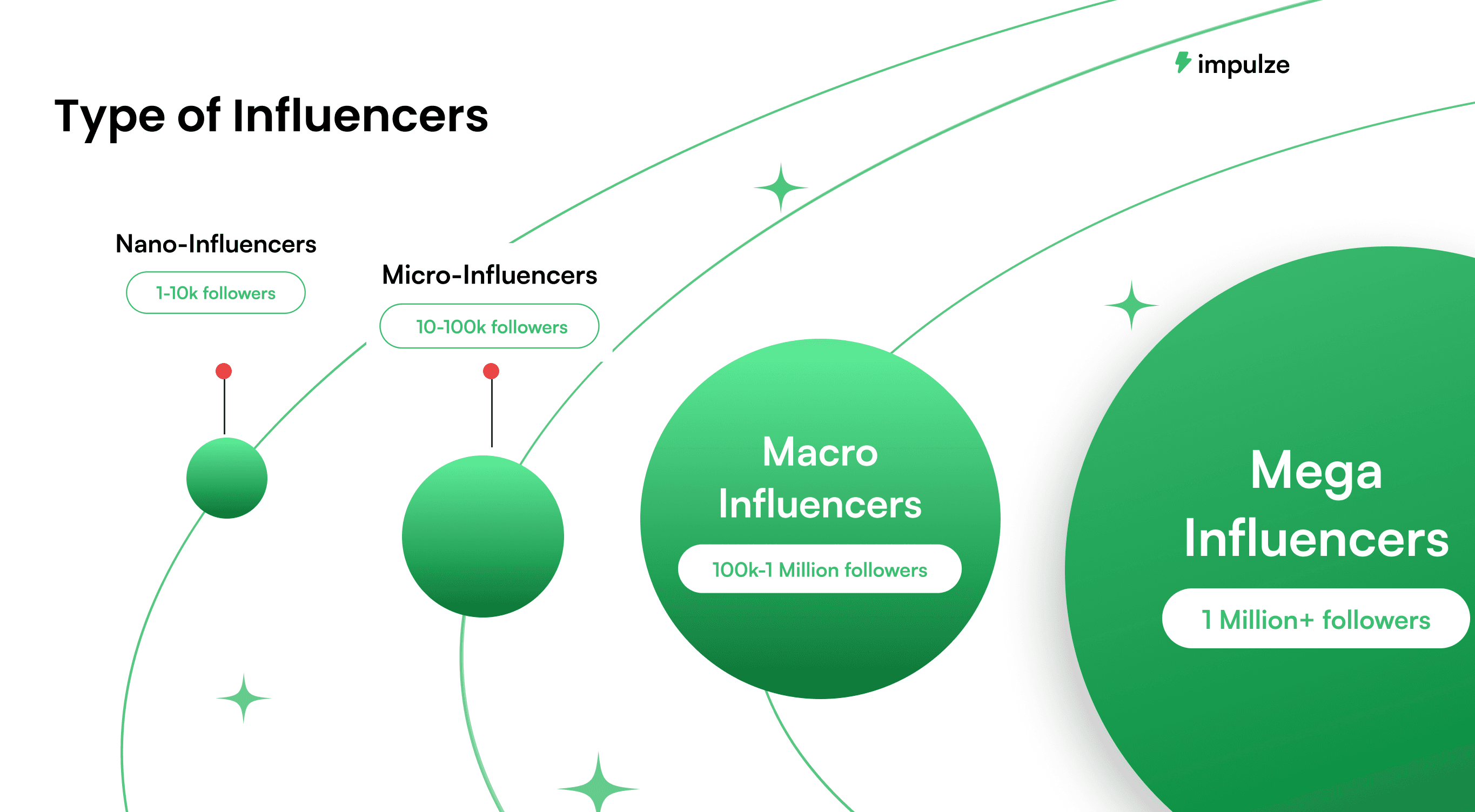
1. Nano-influencers (1K–10K followers)
These creators usually have smaller but highly engaged communities. Their recommendations feel personal and trustworthy, making them great for authenticity-led content.
High trust and relatability
Strong community engagement
Ideal for honest reviews and lifestyle integration
2. Micro-influencers (10K–100K followers)
Micro-influencers offer the best balance of reach and engagement for most brands. They’re large enough to create impact but still feel relatable.
Strong engagement rates
More affordable than larger creators
Perfect for always-on campaigns and recurring collaborations
3. Macro-influencers (100K–1M followers)
Macro-influencers are best used when scale and visibility are the priority. They work well for launches, announcements, or moments when you want to reach a broader audience quickly.
High visibility and reach
Useful for product launches or big campaigns
Higher cost, so best used selectively
4. Celebrities
Celebrities offer massive reach and instant attention, but their impact is usually brand-led rather than trust-led.
Extremely high reach
Expensive partnerships
Best for awareness-focused moments, not everyday marketing
How to Think about Your Annual Influencer Mix
A strong annual influencer strategy doesn’t rely on just one type of creator. Instead, it uses a thoughtful mix that supports different goals throughout the year.
For most brands, a healthy influencer mix looks like this:
Many nano and micro creators for always-on visibility and trust
A few macro creators activated quarterly or during key launches
Occasional celebrity collaborations, if the budget allows, for major brand moments
This structure ensures your brand stays consistently visible while keeping costs under control. You’re building trust through smaller creators, scaling reach when needed, and avoiding budget burn from relying too heavily on large influencers.
Step 4: Choose the Right Platforms for Each Quarter
One of the biggest mistakes brands make with influencer marketing is trying to be everywhere, all the time. Not every platform needs equal attention throughout the year. An annual influencer strategy works best when you assign clear roles to each platform and shift focus based on quarterly goals.
Instead of spreading your efforts thin, think of each platform as playing a specific role in the customer journey.
Platform Roles in an Influencer Strategy
Each major platform supports influencer marketing in a different way. Understanding these strengths helps you use them more effectively.
1. Instagram
Instagram works well as the foundation of most influencer strategies. It’s ideal for maintaining brand presence and telling lifestyle-driven stories.
Strong brand visibility
Lifestyle and aspirational content
Reels, Stories, and Carousels for regular touchpoints
2. TikTok
TikTok is best used for discovery and rapid audience growth. Its algorithm rewards creativity and trends, making it powerful for reaching new people.
Trend-led and relatable content
High discovery potential
Great for introducing your brand to fresh audiences
3. YouTube
YouTube plays a deeper role in the funnel. It’s where trust is built over time through long-form content and detailed storytelling.
Long-form product education
Honest reviews and routines
Strong influence on high-consideration purchases
4. Pinterest
Pinterest is often overlooked, but it’s excellent for long-term discovery and inspiration-driven traffic.
Evergreen content visibility
Strong for inspiration and planning
Consistent traffic over time
Platform Focus Can Change Every Quarter
An annual strategy doesn’t lock you into the same platform priorities all year. Your focus can—and should—shift based on what you’re trying to achieve in each quarter.
For example:
Q1–Q2: Focus on Instagram and TikTok to build awareness and reach new audiences
Q3: Lean into YouTube for education, deeper storytelling, and trust-building
Q4: Use Instagram and UGC-heavy content to support conversions and purchase decisions
This approach ensures each platform is used intentionally, not randomly. When platforms have defined roles, influencer marketing becomes more efficient, more measurable, and far easier to scale across the year.
Step 5: Plan Campaign Themes by Quarter
Instead of planning influencer campaigns randomly throughout the year, plan clear themes for each quarter. This brings structure to your strategy and ensures your messaging evolves naturally as your audience moves from discovery to trust and, eventually, conversion.
When campaigns are tied together through themes, influencer marketing feels more cohesive. Each quarter builds on the previous one, rather than starting from scratch every time.
Quarterly Campaign Structure
A simple and effective way to structure the year is by aligning influencer themes with the buyer journey.
Q1: Brand storytelling
The first quarter is ideal for introducing your brand and setting the tone for the year. The focus here is on visibility and emotional connection rather than hard selling.
Introducing brand values and mission
Lifestyle integrations that show how the brand fits into everyday life
Awareness-first content designed to spark curiosity
Q2: Education and discovery
Once people are aware of your brand, the next step is helping them understand what you offer and why it matters.
Highlighting product benefits and differentiators
How-to content and tutorials
Problem-solving posts that address audience pain points
Q3: Community and UGC
By this stage, trust has started to build. This is the right time to lean into social proof and community-driven content.
Reviews and honest opinions
Testimonials from creators and customers
Reposts, duets, and collaborative content
Q4: Conversions and launches
The final quarter is where influencer marketing supports decision-making and purchases, especially around festive or seasonal moments.
Offer-led and promotional content
Festive or seasonal campaigns
Retargeting-friendly content that nudges conversions
This quarterly approach creates a natural progression—from awareness to trust to action—across the year.
Step 6: Decide Content Formats in Advance
Creators do their best work when expectations are clear. One of the biggest mistakes brands make is giving vague instructions like, “Make something creative.” While creative freedom is important, clarity around formats helps creators deliver content that actually performs.
Deciding content formats in advance also makes planning, budgeting, and approvals much smoother.
Popular Influencer Content Formats
Depending on your goals and platforms, common influencer content formats include:
Reels and Shorts for quick, engaging storytelling
TikTok trend-based videos for discovery and relatability
Stories and day-in-the-life content for authenticity
Carousels and static posts for education and saves
Long-form YouTube videos for deeper trust and product understanding
Live sessions for real-time engagement and interaction
You don’t need to use every format every month. A smarter approach is to separate formats into two categories:
Core formats: Content styles you repeat consistently throughout the year because they perform well and align with your brand
Experimental formats: New or trend-led formats you test quarterly to see what resonates
This approach keeps your influencer strategy structured but flexible. It also helps control costs, speeds up approvals, and ensures creators know exactly what’s expected.
Step 7: Build Long-Term Creator Relationships
One of the biggest advantages of annual influencer planning is the ability to move away from one-off collaborations.
Without a long-term plan, brands often find themselves searching for new creators every month, re-briefing from scratch, and starting relationships that end as soon as the post goes live.
With an annual strategy, you can work with the same creators repeatedly, which completely changes the quality and impact of influencer marketing.
Why Long-term Creators Perform Better
Creators who work with your brand over time consistently outperform one-off partnerships for a few key reasons:
Audience trust grows with repeated mentions
When followers see a creator talk about the same brand across months, it feels genuine, not transactional.Creators understand your brand better
Over time, creators naturally learn your product, messaging, and values, which leads to better storytelling.Content feels more natural
Long-term partnerships result in smoother integrations that blend seamlessly into the creator’s content.Costs reduce over time
Repeat collaborations often become more cost-effective compared to constant one-off deals.
Ways to Structure Long-term Creator Partnerships
There’s no single way to build long-term relationships. Depending on your goals and budget, you can explore:
Ambassador programs with a fixed group of creators
Monthly retainers for always-on visibility
Quarterly collaborations tied to campaign themes
Performance-based bonuses for creators who drive strong results
Annual planning allows you to move from transactions to partnerships, which is where influencer marketing truly starts to scale.
Step 8: Budgeting for an Annual Influencer Strategy
Budgeting becomes far simpler and far smarter when you zoom out and look at influencer marketing as a yearly investment instead of a campaign-by-campaign expense.
Instead of constantly asking, “How much should we spend on this campaign?”
Ask a more strategic question: “How much can we invest in influencer marketing this year?”
Once that number is clear, you can allocate budgets intentionally instead of reacting to last-minute needs.
How to Structure Your Annual Influencer Budget
A well-balanced annual budget usually covers four key areas:
Always-on creators for consistent visibility
Launch and seasonal campaigns for high-impact moments
Experiments to test new formats, creators, or platforms
A buffer for trends, viral moments, or unexpected opportunities
Annual Budget Allocation
While this varies by brand, a common split looks like:
40%: Micro and nano-creators (always-on efforts)
30%: Launches and seasonal campaigns
20%: Performance-based collaborations
10%: Experiments and new platforms
This approach gives structure without killing flexibility. You know where money is going, but you’re not locked into rigid spending.
Step 9: Create a Clear Influencer Briefing System
Consistency doesn’t mean scripting every word. In fact, over-scripting is one of the fastest ways to kill creator authenticity. What creators need instead is clarity.
Your annual influencer strategy should define the framework creators operate within—while still giving them room to be creative.
What Your Briefing System Should Clearly Define
Across the year, your briefs should consistently communicate:
Brand voice
Messaging pillars
Non-negotiables (claims, disclosures, usage rules)
Areas where creators have creative freedom
What Stays Constant All Year
These elements rarely change and should be reinforced in every brief:
Brand values
Tone of voice
Core product truths
What Changes Per Campaign
These elements shift based on quarterly themes or goals:
Call-to-action (CTA)
Focus product or feature
Offer, launch, or message
Creators do their best work when guidelines are clear but not restrictive. A strong briefing system ensures consistency without sacrificing authenticity.
Download Free Influencer Brief
Step 10: Track Performance Across the Entire Year
Influencer marketing should never feel like guesswork. One of the biggest benefits of an annual strategy is the ability to track performance and metrics over time, not just per post.
With a year-long view, you can:
Compare performance across quarters
Spot patterns and trends
Identify creators worth long-term investment
Metrics to track regularly
1. Monthly metrics help you monitor activity and consistency:
Content output
Engagement
Reach
2. Quarterly metrics help you evaluate strategy:
Top-performing creators
Best-performing content formats
Platform-wise performance
3. Annual metrics show real business impact:
Assisted conversions
Creator ROI
Cost vs overall impact
Influencer marketing tools like impulze.ai help centralize all this data in one place, so insights don’t get lost across spreadsheets, emails, and dashboards.
Step 11: Optimize and Iterate Every Quarter
An annual influencer strategy is a roadmap. What makes it powerful is regular optimization.
At the end of every quarter, take time to review and ask:
What worked well?
Which creators performed best?
Which formats underperformed?
Where did we overspend or underinvest?
Based on these insights:
Double down on what’s working
Pause or fix low-impact efforts
Test something new in the next quarter
These quarterly reviews are what turn a good influencer strategy into a great one—and ensure your plan stays relevant, effective, and scalable throughout the year.
Common Mistakes Brands Make With Annual Influencer Planning
Let’s address the usual pitfalls.
1. Overplanning Everything
Some brands lock creators, formats, and scripts months in advance. Then a trend blows up but they can’t react. Influencer marketing works best when plans leave room for flexibility.
An annual strategy should guide direction, not block timely ideas or creator-led concepts.
2. Treating Influencers Like Ad Slots
When brands give rigid scripts, posts feel like ads. For example, a creator reading a brand caption word-for-word often sees low engagement. Audiences trust creators for their voice.
Treating influencers as partners leads to more natural content and better performance.
3. Ignoring Creator Feedback
Creators often know why a post didn’t work. Maybe the CTA felt forced or the format didn’t suit their audience. When brands ignore this feedback and repeat the same approach, results suffer.
Listening helps refine strategy and improve future campaigns.
4. Not Documenting Learnings
A brand may discover that Reels outperform static posts or that certain creators drive sales but if it’s not documented, the insight gets lost. Teams then repeat mistakes next quarter.
Recording learnings ensures every campaign builds on the last.
How impulze.ai Can Be Your Partner
An annual influencer strategy only works when it’s supported by the right systems. That’s where impulze.ai fits in.
impulze.ai helps you discover the right creators, track performance over time, and build long-term relationships—all in one place. Instead of swimming through spreadsheets, emails, and tools, you get a clear view of what’s working and why.
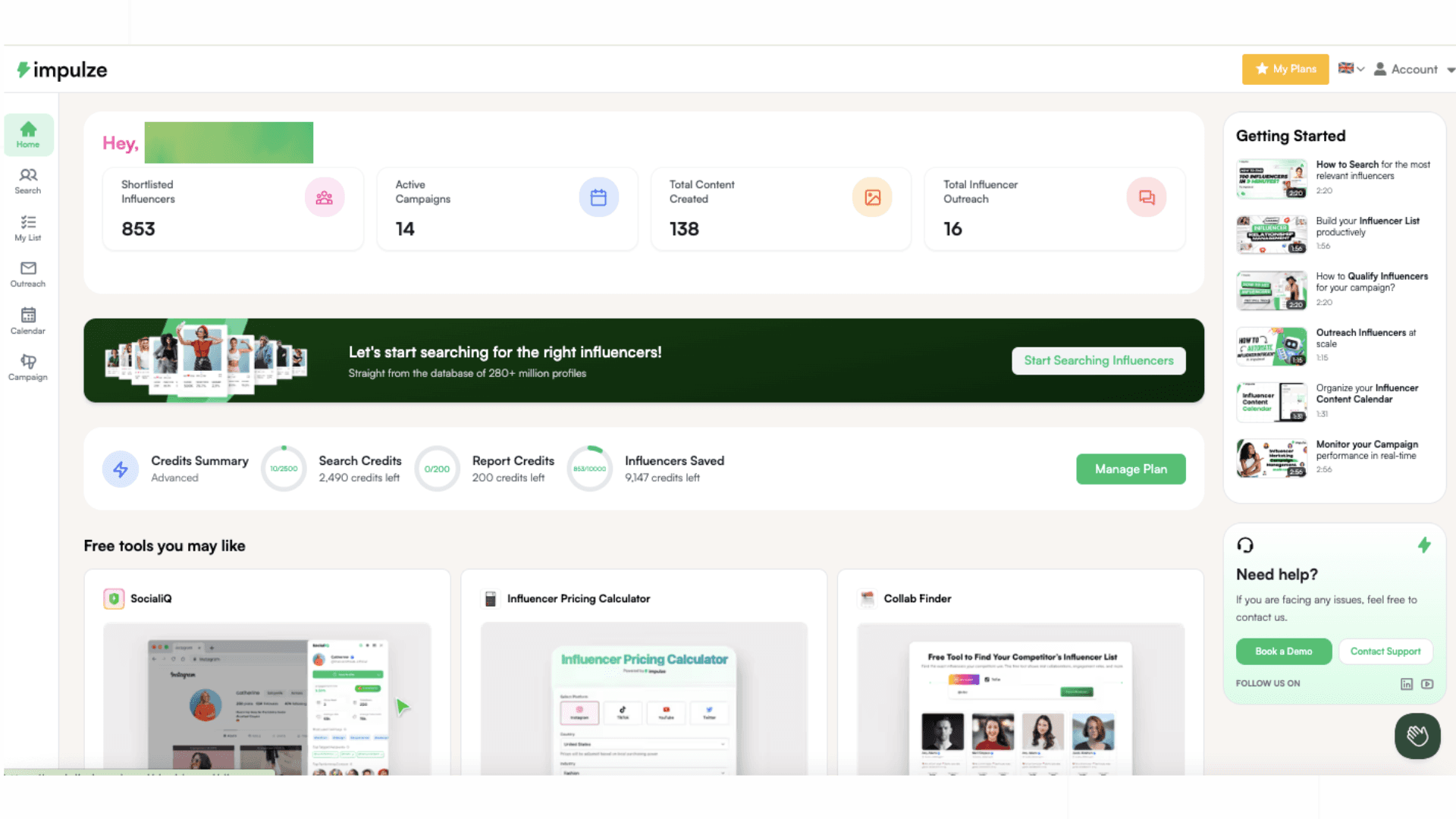
From shortlisting creators to measuring real impact across the year, we support every stage of your influencer journey. So your strategy isn’t just planned well, it’s executed better, scaled smarter, and optimized continuously.
Because influencer marketing works best when it’s built for the long term and backed by the right partner.
Hope this helped and if you want, you can create a free account to try impulze.ai.
Most brands don’t fail at influencer marketing because influencers don’t work.
They fail because there’s no plan.
One month, they run a campaign because “everyone is doing it.”
Another month, they pause because the results weren’t instant.
Then they start again during a launch or festive season.
That’s not a strategy. That’s reacting.
Influencer marketing works best when it’s planned like a long-term growth channel. And that’s exactly where an annual influencer marketing strategy comes in.
In this guide, we’ll break down how to build a 12-month influencer marketing plan—step by step, in simple language, without jargon.
So let’s begin!
What an Annual Strategy Actually Helps You Do
When you zoom out and plan influencer marketing for the entire year, something important happens. You’re no longer running campaigns because a launch is coming up or because competitors are doing it. Instead, every influencer activity has a purpose and a place in the bigger picture.
This shift alone changes how effective—and how manageable—your influencer efforts become. A few other things that happen when you plan your annual influencer marketing plan are:
1. You Stay Consistently Visible without Being Annoying
One of the biggest benefits of an annual influencer strategy is consistency. Without a long-term plan, most brands disappear for months and then suddenly show up with a heavy campaign push. This on-and-off visibility makes it hard for audiences to remember or trust a brand.
With an annual strategy, your brand shows up regularly in people’s feeds, but in a natural, non-intrusive way. And when someone is finally ready to make a purchase, your brand doesn’t feel new or risky; it already feels known.
2. You Build Long-term Creator Relationships Instead of One-off Deals
Influencer marketing works best when it feels genuine, and genuineness takes time. When creators talk about your brand repeatedly over months, their audience starts believing that the relationship is real.
With year-round planning, you can work with the same creators across multiple quarters, turn your best-performing influencers into ambassadors, and give creators enough time to truly understand your brand, products, and values.
3. You Control Budgets Instead of Reacting to Them
Without a yearly plan, influencer budgets often get spent impulsively. Brands tend to overspend during big launches or festive seasons and then pull back completely during quieter months. This reactive approach not only strains budgets but also breaks campaign momentum.
An annual influencer strategy brings structure to spending. You can allocate budgets evenly across the year, reserve higher spends for key launches or seasonal moments, and still keep a portion aside for experiments, trends, or unexpected opportunities.
Instead of rushing to approve spending at the last minute, you know in advance where your money is going. This allows you to spend smarter—not just faster—and ensures influencer marketing remains sustainable, not sporadic.
4. You Measure Real Impact, Not Just Vanity Metrics
When influencer marketing is planned annually, measurement becomes far more meaningful. Instead of judging success based on isolated posts, you can track performance over time. This makes it easier to see which creators consistently deliver results, which content formats work best, and how influencer activity contributes to actual business outcomes.
An annual approach allows you to understand assisted conversions, where influencer content plays a role in the buyer journey, even if it isn’t the final click. You start connecting awareness, engagement, and sales instead of viewing them separately.
5. You Reduce Last-minute Stress and Operational Chaos
Anyone who has run influencer campaigns without a plan knows the chaos that comes with it. Scrambling to find creators before a launch, rushing briefs, missing good collaboration opportunities, and making decisions under pressure quickly become the norm.
An annual influencer strategy removes most of this stress. When you plan ahead, you already know which creators you’ll activate, which platforms you’ll focus on, and what type of content you’ll need throughout the year. This allows your team to work proactively instead of constantly firefighting.
Annual Influencer Marketing Strategy: Step-By-Step Guide
Step 1: Start With Clear Business and Marketing Goals
Before choosing influencers, platforms, or content formats, you need to answer one simple question:
What do we want influencer marketing to achieve this year?
It sounds obvious, but this is the step most brands skip. As a result, influencer campaigns look active on the surface but don’t clearly move the business forward. Influencer marketing can support many outcomes—but only when its role is clearly defined from the start.
Instead of treating influencer marketing as a generic channel, think of it as a tool that supports specific business priorities.
Common Influencer Marketing Goals
Most brands use influencer marketing for one or more of the following reasons:
Brand awareness
Example: A new lifestyle or DTC brand wants more people to recognize its name and vibe. Influencers are used to increase reach, impressions, and recall—not immediate sales.Product discovery
Example: A skincare or wellness brand launching a new product works with creators to explain what the product does and how it fits into daily routines.Website traffic
Example: A brand wants influencers to drive users to blogs, landing pages, or product pages to build remarketing audiences.Sales or conversions
Example: An eCommerce brand uses influencers to build trust and nudge people toward purchase using reviews, demos, or tracked links.UGC creation
Example: A brand collaborates with creators mainly to generate authentic content that can later be reused in ads, emails, or website pages.Community building
Example: A brand consistently works with creators who strongly align with its values to build a loyal, engaged audience.Launch support
Example: Influencers are activated around a product or feature launch to create buzz and explain what’s new.
You don’t need to chase all of these at once. Trying to achieve everything usually leads to unclear messaging and weak results.
Once your broader business goal is clear, influencer marketing should support it. For example, if your business goal is revenue growth, influencer content should focus on product education, real-life use cases, reviews, testimonials, and social proof that can be reused in retargeting ads.
In this case, success is measured by influence on conversions. If your business goal is brand building, influencers might focus more on:
Lifestyle integration
Relatable, day-in-the-life content
Reach and brand recall
Here, the goal is to make the brand feel familiar and trustworthy over time.
The same influencer channel can support different outcomes, but only when its purpose is clearly defined.
Why Writing This Down Matters
Documenting your influencer goals may seem like a small step, but it has a big impact. When goals are clearly written down, everything else becomes easier:
Influencer selection becomes more focused
Content briefs are clearer
Budgets are easier to plan and justify
Performance tracking becomes more meaningful
Most importantly, this clarity becomes the foundation of your entire annual influencer strategy.
Step 2: Understand Your Audience (Before Choosing Influencers)
A strong influencer marketing strategy doesn’t start with finding creators. It starts with understanding who you’re trying to influence. Without audience clarity, even the best influencers won’t deliver meaningful results.
Before shortlisting creators or platforms, take a step back and ask a few foundational questions:
Who are we trying to reach this year?
Where do they actually spend their time online?
What kind of content do they trust and engage with?
These answers shape every decision that follows—from influencer selection to content style.
Go Deeper than Basic Demographics
Most brands stop at surface-level data like age, gender, and location. While this information is useful, it’s rarely enough to build an effective influencer strategy.
Instead of looking only at:
Age
Gender
Location
You also need to understand:
Interests: What topics do they actively follow or care about?
Aspirations: What kind of lifestyle are they trying to build or belong to?
Daily habits: When and how do they consume content—quick scrolls or long videos?
Pain points: What problems are they trying to solve right now?
These insights help you choose influencers who feel relevant and not forced.
Why This Matters
Take a skincare brand, for instance. A brand targeting working professionals will need creators who talk about efficiency, self-care, and routines that fit into busy schedules. The content might focus on night routines, stress-related skin issues, or minimal skincare habits.
On the other hand, a skincare brand targeting college students will benefit from creators who are more trend-driven, budget-conscious, and casual in tone. Content might revolve around viral products, quick results, or peer recommendations.
Both brands sell skincare but their audiences, creators, and content styles should look completely different.
Your Audience Defines Your Influencer Strategy
Once you clearly understand your audience, the rest of your influencer strategy becomes much easier. Your audience directly influences:
Platform choice: Where you should be active
Influencer type: Nano, micro, macro, or niche creators
Content format: Reels, TikToks, long-form videos, or UGC-style posts
Step 3: Decide Your Influencer Mix for the Year
Not all influencers serve the same purpose, and treating them as equals is one of the most common mistakes brands make. An annual influencer strategy helps you clearly define who does what, so you’re not overpaying for reach or underusing creators who could drive real trust.
Instead of choosing influencers campaign by campaign, planning your influencer mix for the year allows you to balance reach, engagement, credibility, and budget in a much more intentional way.
Common Influencer Tiers (and When to Use Them)
Different influencer tiers play different roles in your strategy. Understanding this helps you use each one effectively.
1. Nano-influencers (1K–10K followers)
These creators usually have smaller but highly engaged communities. Their recommendations feel personal and trustworthy, making them great for authenticity-led content.
High trust and relatability
Strong community engagement
Ideal for honest reviews and lifestyle integration
2. Micro-influencers (10K–100K followers)
Micro-influencers offer the best balance of reach and engagement for most brands. They’re large enough to create impact but still feel relatable.
Strong engagement rates
More affordable than larger creators
Perfect for always-on campaigns and recurring collaborations
3. Macro-influencers (100K–1M followers)
Macro-influencers are best used when scale and visibility are the priority. They work well for launches, announcements, or moments when you want to reach a broader audience quickly.
High visibility and reach
Useful for product launches or big campaigns
Higher cost, so best used selectively
4. Celebrities
Celebrities offer massive reach and instant attention, but their impact is usually brand-led rather than trust-led.
Extremely high reach
Expensive partnerships
Best for awareness-focused moments, not everyday marketing
How to Think about Your Annual Influencer Mix
A strong annual influencer strategy doesn’t rely on just one type of creator. Instead, it uses a thoughtful mix that supports different goals throughout the year.
For most brands, a healthy influencer mix looks like this:
Many nano and micro creators for always-on visibility and trust
A few macro creators activated quarterly or during key launches
Occasional celebrity collaborations, if the budget allows, for major brand moments
This structure ensures your brand stays consistently visible while keeping costs under control. You’re building trust through smaller creators, scaling reach when needed, and avoiding budget burn from relying too heavily on large influencers.
Step 4: Choose the Right Platforms for Each Quarter
One of the biggest mistakes brands make with influencer marketing is trying to be everywhere, all the time. Not every platform needs equal attention throughout the year. An annual influencer strategy works best when you assign clear roles to each platform and shift focus based on quarterly goals.
Instead of spreading your efforts thin, think of each platform as playing a specific role in the customer journey.
Platform Roles in an Influencer Strategy
Each major platform supports influencer marketing in a different way. Understanding these strengths helps you use them more effectively.
1. Instagram
Instagram works well as the foundation of most influencer strategies. It’s ideal for maintaining brand presence and telling lifestyle-driven stories.
Strong brand visibility
Lifestyle and aspirational content
Reels, Stories, and Carousels for regular touchpoints
2. TikTok
TikTok is best used for discovery and rapid audience growth. Its algorithm rewards creativity and trends, making it powerful for reaching new people.
Trend-led and relatable content
High discovery potential
Great for introducing your brand to fresh audiences
3. YouTube
YouTube plays a deeper role in the funnel. It’s where trust is built over time through long-form content and detailed storytelling.
Long-form product education
Honest reviews and routines
Strong influence on high-consideration purchases
4. Pinterest
Pinterest is often overlooked, but it’s excellent for long-term discovery and inspiration-driven traffic.
Evergreen content visibility
Strong for inspiration and planning
Consistent traffic over time
Platform Focus Can Change Every Quarter
An annual strategy doesn’t lock you into the same platform priorities all year. Your focus can—and should—shift based on what you’re trying to achieve in each quarter.
For example:
Q1–Q2: Focus on Instagram and TikTok to build awareness and reach new audiences
Q3: Lean into YouTube for education, deeper storytelling, and trust-building
Q4: Use Instagram and UGC-heavy content to support conversions and purchase decisions
This approach ensures each platform is used intentionally, not randomly. When platforms have defined roles, influencer marketing becomes more efficient, more measurable, and far easier to scale across the year.
Step 5: Plan Campaign Themes by Quarter
Instead of planning influencer campaigns randomly throughout the year, plan clear themes for each quarter. This brings structure to your strategy and ensures your messaging evolves naturally as your audience moves from discovery to trust and, eventually, conversion.
When campaigns are tied together through themes, influencer marketing feels more cohesive. Each quarter builds on the previous one, rather than starting from scratch every time.
Quarterly Campaign Structure
A simple and effective way to structure the year is by aligning influencer themes with the buyer journey.
Q1: Brand storytelling
The first quarter is ideal for introducing your brand and setting the tone for the year. The focus here is on visibility and emotional connection rather than hard selling.
Introducing brand values and mission
Lifestyle integrations that show how the brand fits into everyday life
Awareness-first content designed to spark curiosity
Q2: Education and discovery
Once people are aware of your brand, the next step is helping them understand what you offer and why it matters.
Highlighting product benefits and differentiators
How-to content and tutorials
Problem-solving posts that address audience pain points
Q3: Community and UGC
By this stage, trust has started to build. This is the right time to lean into social proof and community-driven content.
Reviews and honest opinions
Testimonials from creators and customers
Reposts, duets, and collaborative content
Q4: Conversions and launches
The final quarter is where influencer marketing supports decision-making and purchases, especially around festive or seasonal moments.
Offer-led and promotional content
Festive or seasonal campaigns
Retargeting-friendly content that nudges conversions
This quarterly approach creates a natural progression—from awareness to trust to action—across the year.
Step 6: Decide Content Formats in Advance
Creators do their best work when expectations are clear. One of the biggest mistakes brands make is giving vague instructions like, “Make something creative.” While creative freedom is important, clarity around formats helps creators deliver content that actually performs.
Deciding content formats in advance also makes planning, budgeting, and approvals much smoother.
Popular Influencer Content Formats
Depending on your goals and platforms, common influencer content formats include:
Reels and Shorts for quick, engaging storytelling
TikTok trend-based videos for discovery and relatability
Stories and day-in-the-life content for authenticity
Carousels and static posts for education and saves
Long-form YouTube videos for deeper trust and product understanding
Live sessions for real-time engagement and interaction
You don’t need to use every format every month. A smarter approach is to separate formats into two categories:
Core formats: Content styles you repeat consistently throughout the year because they perform well and align with your brand
Experimental formats: New or trend-led formats you test quarterly to see what resonates
This approach keeps your influencer strategy structured but flexible. It also helps control costs, speeds up approvals, and ensures creators know exactly what’s expected.
Step 7: Build Long-Term Creator Relationships
One of the biggest advantages of annual influencer planning is the ability to move away from one-off collaborations.
Without a long-term plan, brands often find themselves searching for new creators every month, re-briefing from scratch, and starting relationships that end as soon as the post goes live.
With an annual strategy, you can work with the same creators repeatedly, which completely changes the quality and impact of influencer marketing.
Why Long-term Creators Perform Better
Creators who work with your brand over time consistently outperform one-off partnerships for a few key reasons:
Audience trust grows with repeated mentions
When followers see a creator talk about the same brand across months, it feels genuine, not transactional.Creators understand your brand better
Over time, creators naturally learn your product, messaging, and values, which leads to better storytelling.Content feels more natural
Long-term partnerships result in smoother integrations that blend seamlessly into the creator’s content.Costs reduce over time
Repeat collaborations often become more cost-effective compared to constant one-off deals.
Ways to Structure Long-term Creator Partnerships
There’s no single way to build long-term relationships. Depending on your goals and budget, you can explore:
Ambassador programs with a fixed group of creators
Monthly retainers for always-on visibility
Quarterly collaborations tied to campaign themes
Performance-based bonuses for creators who drive strong results
Annual planning allows you to move from transactions to partnerships, which is where influencer marketing truly starts to scale.
Step 8: Budgeting for an Annual Influencer Strategy
Budgeting becomes far simpler and far smarter when you zoom out and look at influencer marketing as a yearly investment instead of a campaign-by-campaign expense.
Instead of constantly asking, “How much should we spend on this campaign?”
Ask a more strategic question: “How much can we invest in influencer marketing this year?”
Once that number is clear, you can allocate budgets intentionally instead of reacting to last-minute needs.
How to Structure Your Annual Influencer Budget
A well-balanced annual budget usually covers four key areas:
Always-on creators for consistent visibility
Launch and seasonal campaigns for high-impact moments
Experiments to test new formats, creators, or platforms
A buffer for trends, viral moments, or unexpected opportunities
Annual Budget Allocation
While this varies by brand, a common split looks like:
40%: Micro and nano-creators (always-on efforts)
30%: Launches and seasonal campaigns
20%: Performance-based collaborations
10%: Experiments and new platforms
This approach gives structure without killing flexibility. You know where money is going, but you’re not locked into rigid spending.
Step 9: Create a Clear Influencer Briefing System
Consistency doesn’t mean scripting every word. In fact, over-scripting is one of the fastest ways to kill creator authenticity. What creators need instead is clarity.
Your annual influencer strategy should define the framework creators operate within—while still giving them room to be creative.
What Your Briefing System Should Clearly Define
Across the year, your briefs should consistently communicate:
Brand voice
Messaging pillars
Non-negotiables (claims, disclosures, usage rules)
Areas where creators have creative freedom
What Stays Constant All Year
These elements rarely change and should be reinforced in every brief:
Brand values
Tone of voice
Core product truths
What Changes Per Campaign
These elements shift based on quarterly themes or goals:
Call-to-action (CTA)
Focus product or feature
Offer, launch, or message
Creators do their best work when guidelines are clear but not restrictive. A strong briefing system ensures consistency without sacrificing authenticity.
Download Free Influencer Brief
Step 10: Track Performance Across the Entire Year
Influencer marketing should never feel like guesswork. One of the biggest benefits of an annual strategy is the ability to track performance and metrics over time, not just per post.
With a year-long view, you can:
Compare performance across quarters
Spot patterns and trends
Identify creators worth long-term investment
Metrics to track regularly
1. Monthly metrics help you monitor activity and consistency:
Content output
Engagement
Reach
2. Quarterly metrics help you evaluate strategy:
Top-performing creators
Best-performing content formats
Platform-wise performance
3. Annual metrics show real business impact:
Assisted conversions
Creator ROI
Cost vs overall impact
Influencer marketing tools like impulze.ai help centralize all this data in one place, so insights don’t get lost across spreadsheets, emails, and dashboards.
Step 11: Optimize and Iterate Every Quarter
An annual influencer strategy is a roadmap. What makes it powerful is regular optimization.
At the end of every quarter, take time to review and ask:
What worked well?
Which creators performed best?
Which formats underperformed?
Where did we overspend or underinvest?
Based on these insights:
Double down on what’s working
Pause or fix low-impact efforts
Test something new in the next quarter
These quarterly reviews are what turn a good influencer strategy into a great one—and ensure your plan stays relevant, effective, and scalable throughout the year.
Common Mistakes Brands Make With Annual Influencer Planning
Let’s address the usual pitfalls.
1. Overplanning Everything
Some brands lock creators, formats, and scripts months in advance. Then a trend blows up but they can’t react. Influencer marketing works best when plans leave room for flexibility.
An annual strategy should guide direction, not block timely ideas or creator-led concepts.
2. Treating Influencers Like Ad Slots
When brands give rigid scripts, posts feel like ads. For example, a creator reading a brand caption word-for-word often sees low engagement. Audiences trust creators for their voice.
Treating influencers as partners leads to more natural content and better performance.
3. Ignoring Creator Feedback
Creators often know why a post didn’t work. Maybe the CTA felt forced or the format didn’t suit their audience. When brands ignore this feedback and repeat the same approach, results suffer.
Listening helps refine strategy and improve future campaigns.
4. Not Documenting Learnings
A brand may discover that Reels outperform static posts or that certain creators drive sales but if it’s not documented, the insight gets lost. Teams then repeat mistakes next quarter.
Recording learnings ensures every campaign builds on the last.
How impulze.ai Can Be Your Partner
An annual influencer strategy only works when it’s supported by the right systems. That’s where impulze.ai fits in.
impulze.ai helps you discover the right creators, track performance over time, and build long-term relationships—all in one place. Instead of swimming through spreadsheets, emails, and tools, you get a clear view of what’s working and why.
From shortlisting creators to measuring real impact across the year, we support every stage of your influencer journey. So your strategy isn’t just planned well, it’s executed better, scaled smarter, and optimized continuously.
Because influencer marketing works best when it’s built for the long term and backed by the right partner.
Hope this helped and if you want, you can create a free account to try impulze.ai.
Frequently Asked Questions
What is an annual influencer marketing strategy?

What is an annual influencer marketing strategy?
Why should brands plan influencer marketing yearly instead of monthly?
Why should brands plan influencer marketing yearly instead of monthly?
How do you budget for influencer marketing across an entire year?
How do you budget for influencer marketing across an entire year?
What types of influencers work best for long-term partnerships?
What types of influencers work best for long-term partnerships?
How do you measure influencer marketing success over time?
How do you measure influencer marketing success over time?
Which platforms should be included in an annual influencer strategy?
Which platforms should be included in an annual influencer strategy?
How can tools like impulze.ai help manage influencer marketing at scale?
How can tools like impulze.ai help manage influencer marketing at scale?
Author Bio
Author Bio
Rashmi Singh
Rashmi Singh
Rashmi Singh is a writer and strategist with more than 7 years of experience. When not writing, she is either spending time with her friends or planning her next trip. You can learn more about her here.
Rashmi Singh is a writer and strategist with more than 7 years of experience. When not writing, she is either spending time with her friends or planning her next trip. You can learn more about her here.
We Also Recommend To Read