Discovery
Find Macro-Influencers: A Beginner's Guide

Blog in Short
A quick glance at the highlights, for when you're short on time.
Macro-influencers have 100K-1M followers and are perfect for bridging mass appeal with niche connections.
Types of Macro-influencers:
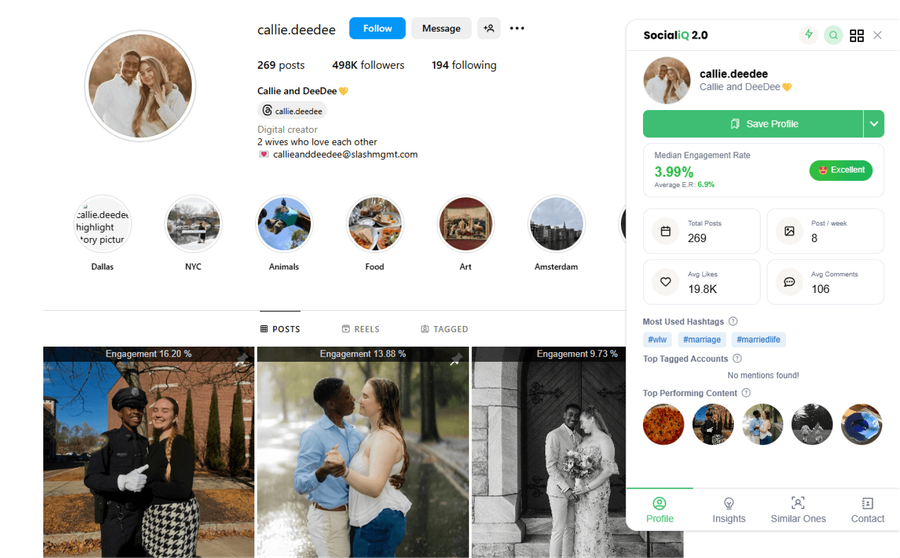
- Native macro-influencers: Self-made influencers who rose to fame solely on social media (e.g., Callie and DeeDee who share about their personal life on Instagram).
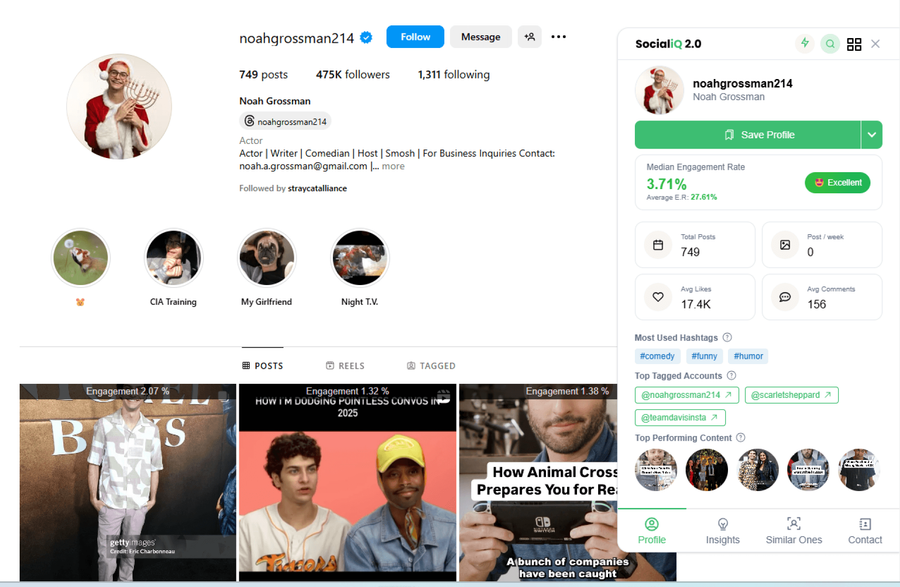
- Non-native macro-influencers: Celebrities or public figures with social media influence (e.g., Noah Grossman).
Macro vs. Micro-Influencers:
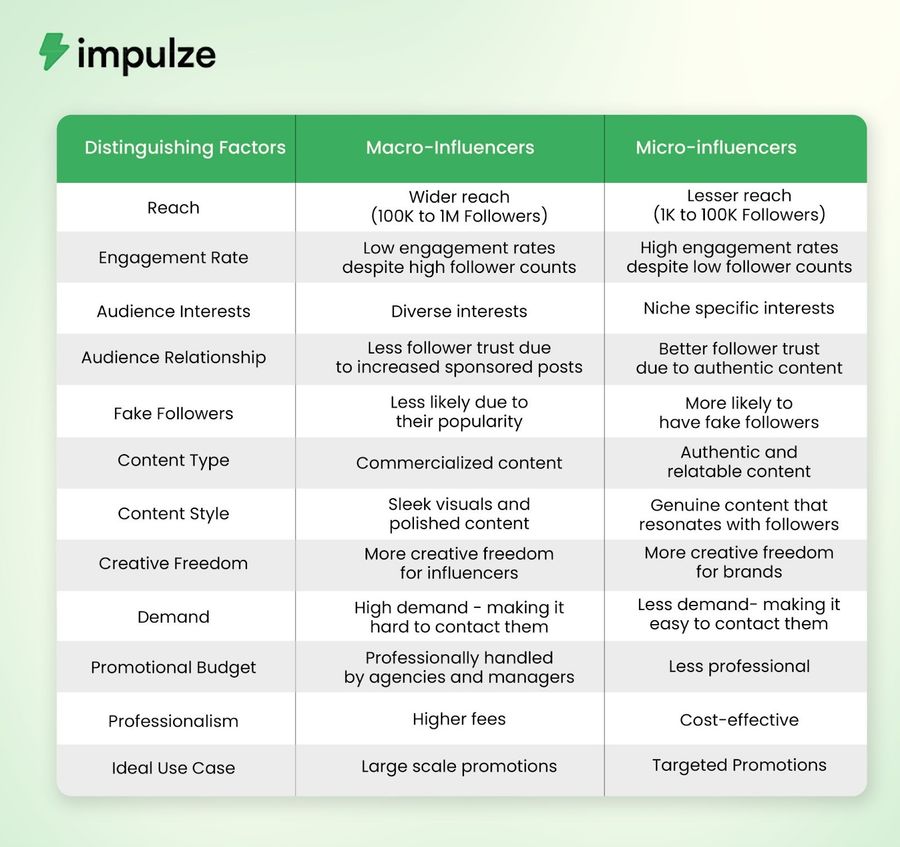
- Macro-influencers: Ideal for large-scale campaigns, visibility, and boosting brand authority.
- Micro-influencers: Best for niche markets, high engagement rates, and small budgets.
Advantages of Macro-Influencers:
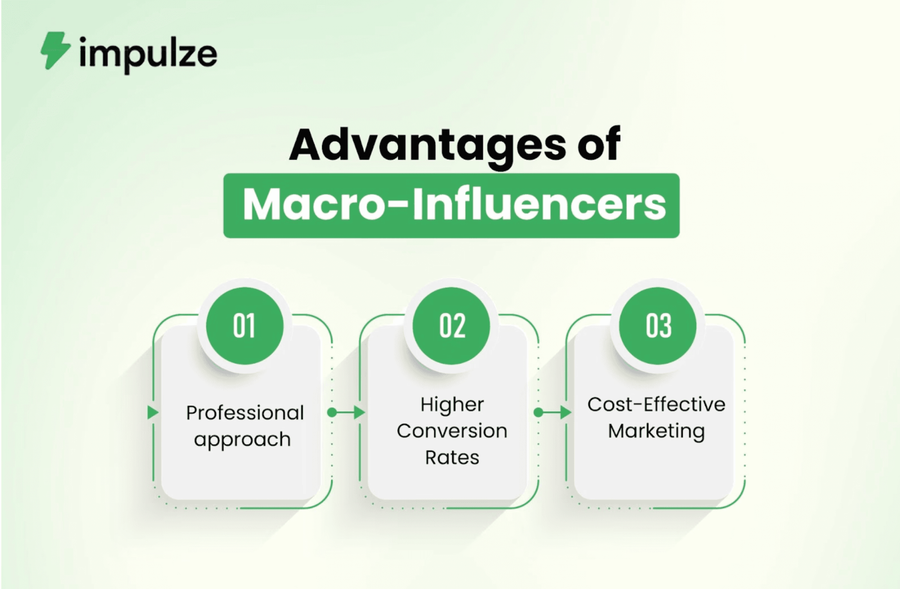
- Professional collaboration experience.
- Trendsetters with potential for higher conversion rates.
- Cost-effective alternative to traditional advertising.
How to Find Macro-influencers:
- Search manually by niche, location, or follower count on Instagram, TikTok, or YouTube.
- Use influencer marketing tools like impulze.ai for advanced filtering, fraud detection, and campaign management.
If you’ve been keeping up with the latest trends in influencer marketing, you probably know it’s booming. It’s a 24-billion industry that is projected to keep growing.
Within this landscape, macro-influencers hold a unique position. With 100K-1000K followers, they’re the bridge between mass appeal and niche connections. Their ability to create authentic content while reaching large audiences makes them a favorite for brands across industries.
Curious about how to find macro-influencers that can amplify your message? Let’s break it all down step by step.
Understanding Macro-Influencer Marketing
Macro-influencers have a broader audience range with diverse interests, giving them more significant influence.
Brands with visually appealing products or services, including fashion, beauty, travel, and tech, can particularly benefit if they find macro-influencers and partner with them.
Macro-influencers have two main classifications- native macro-influencers and non-native macro-influencers.
1. Native Macro-Influencers
Native macro-influencers or self-made macro-influencers are the influencers who rose to fame only through social media platforms. Their popularity is because of their vlogs, videos, and other content they offer followers through channels like Instagram, TikTok, or YouTube.
For instance, Callie and DeeDee, a couple based in the US, are native macro-influencers. They share about their married life and travel stories on Instagram.
2. Non-Native Macro-Influencers
Non-native macro-influencers are public figures or celebrities in other fields like movies, sports, or TV shows. They have a massive follower base on social media platforms due to their fame, pushing them to the macro-influencer category.
Noah Grossman, who is an actor and comedian, is an example of a non-native influencer. He shares moments from his personal life, often featuring events he attends, travel experiences, and casual day-to-day activities.
Macro vs. Micro-Influencers: A Comparative Analysis
Macro-influencers and micro-influencers (10K to 100K followers) offer distinct solutions to varying brand needs. It's like having two keys that unlock different opportunities and possibilities for brand partnerships. See the image below to see a clear difference between macro and micro-influencers.
Who Should Brands Choose?
Micro-influencers are an excellent choice for small businesses or larger brands with limited budgets. Their smaller but highly engaged audiences make them perfect for targeting niche markets. Micro-influencers often deliver higher engagement rates and foster more personalized interactions. They provide a cost-effective and impactful solution for brands seeking authentic content and grassroots influence.
On the other hand, macro-influencers are known for their extensive reach and visibility, making them ideal for large-scale campaigns, boosting brand recognition, and launching new products. They bring established authority and instant credibility to your brand. These influencers are a great match for companies with bigger budgets looking for maximum exposure and widespread impact.
So, should you find macro-influencers and work with them? Or work with micro-influencers?
The answer depends on your specific campaign goals, target audience, and budget. Both have unique strengths that can be leveraged for different marketing strategies.
Advantages of Partnering With Macro-Influencers
Professional Approach
Macro-influencers come with extensive experience in influencer marketing, which is a huge advantage for brands. Their professionalism makes collaborations smooth and efficient, and they’re pros at creating content that truly connects with their audience.
When you find macro-influencers to work with, you’re getting more than just reach; you’re getting someone who knows how to make an impact.
Potential for Higher Conversion Rates
Macro-influencers are like trendsetters for their followers. People look up to them, trust their recommendations, and often want to mirror their lifestyle choices.
When you find macro-influencers who genuinely feature your brand in their content, it builds trust and inspires their followers to check out what you offer. Such authentic endorsement often translates into higher sales and a strong return on investment.
Cost-Effective Marketing
Sure, working with macro-influencers can be pricier than partnering with micro-influencers. But when you compare it to traditional advertising, the value is unmatched.
Plus, the high-quality content they create with their professional skills and top-notch equipment gives your brand an elevated, polished look that really grabs attention. It’s a smart way to boost visibility and make your mark.
How to Find Macro-Influencers?
There are many ways to find macro-influencers for your brand. You can use Instagram, TikTok, or YouTube’s search bar to find the influencers you want to work with. You can also use Google to find a list of macro-influencers in a particular niche.
Another way is to use influencer marketing tools to help you find influencers by location, follower size, niche, etc. These influencer marketing tools can also calculate engagement rates, help you contact influencers, and manage campaigns.
impulze.ai is one such budget-friendly influencer marketing platform that can help you find macro-influencers. Leveraging advanced AI technology, impulze.ai streamlines the entire influencer marketing process, making it more efficient and data-driven for businesses of all sizes.
With advanced filtering options, the platform analyzes metrics like engagement rates, audience demographics, authenticity scores, and historical performance to ensure you partner with creators who truly align with your brand values and goals.
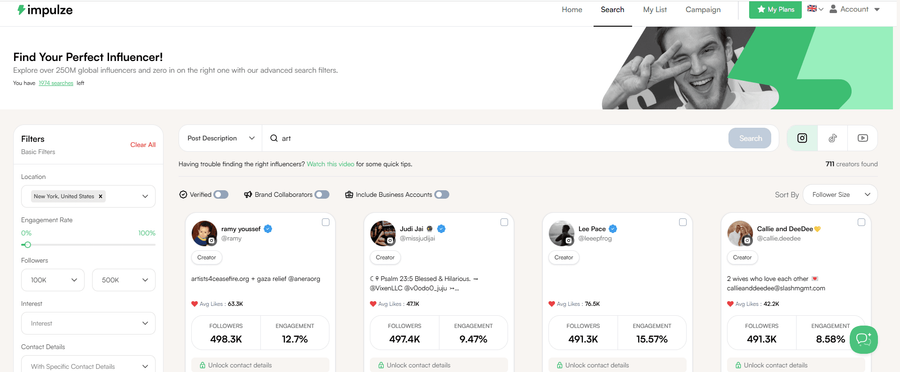
Fraud detection further ensures that collaborations are built on genuine influence rather than inflated metrics of fake influencers.
You can also use the app to manage your campaigns. The platform has a centralized dashboard for communication, content approvals, and payment processing, eliminating the chaos of scattered workflows. Automated features like personalized outreach, contract management, and real-time progress tracking save time and reduce manual effort.
Takeaway
Working with macro-influencers has many benefits. If you want to find macro-influencers that would be perfect for your brand, you can use tools like impulze.ai.
You can find influencers based on location, follower size, engagement rates, audience interests, etc, using impulze.ai’s filters.
Get started with our 14-day free trial to find micro-influencers today.


Aishwarya Taskar is a full-time writer. She has studied journalism and marketing. In her free time, she loves watching films and spending time with animals. You can learn more about her here.
Frequently Asked Questions
What is a macro-influencer?
A macro-influencer is a social media personality with a follower count ranging from 100,000 to 1 million. They have a significant reach, making them ideal for brands looking to create awareness and run large-scale campaigns. Macro-influencers typically specialize in a particular niche, such as fashion, fitness, or tech, and their audience trusts them for credible, high-quality content.
How do I DM an influencer?
To DM an influencer, keep your message short, polite, and engaging. Start with a friendly greeting, introduce yourself, explain why you're reaching out, and be clear about what you're requesting or offering.
How much is a macro-influencer?
The cost of working with a macro-influencer varies depending on their reach, engagement, and niche. On average, prices range from a few hundred dollars to several thousand per post. Influencers with a larger following, especially in lucrative industries, tend to charge more. But it’s always worth it to search for macro-influencers if you want high visibility and a strong impact.
How to reach out to macro-influencers?
Reaching out to macro-influencers is pretty straightforward. You can either DM them directly on social media or email them if they have provided contact details in their bio. Be sure to personalize your message—explain why you're interested in collaborating and what the partnership would look like. Show them how it benefits both parties!
How to find influencers for collaboration?
There are several ways to find influencers for collaboration. You can search for macro-influencers on platforms like Instagram or TikTok by using relevant hashtags, checking out brand collaborations, or browsing influencer directories. Tools to find macro-influencers can also help refine your search, allowing you to filter by niche or location.
How to find micro-influencers on Instagram?
To find micro-influencers on Instagram, start by searching for hashtags related to your industry or products. Explore posts from creators who engage actively with their audience and align with your brand values. Another way is to check out your followers or those of similar brands; often, micro-influencers already admire your niche. For a more refined search, you can use influencer search tools designed to help filter by location, niche, or engagement rates
How to reach out to micro-influencers?
When reaching out to micro-influencers, craft a personalized message. Start by complimenting their work and explaining why you think they’d be a great fit for your brand. Clearly outline the details of the collaboration and how it benefits them. A friendly and genuine approach goes a long way in building a successful partnership.