
For DIY enthusiasts and professional contractors alike, the Orange Box is more than a store—it's a second home. To truly connect with this hands-on community, brands need partners who know their way around a lumber aisle. We’ve identified the most credible Home Depot influencers who turn complex renovations into achievable weekend projects, driving massive trust and sales.







Want to analyze these creators?
Check who is following them, are their followers real, which brands they have collaborated with, and much more!




Start by clearly outlining what you expect from a collaboration.
For example: “We’re a home tools brand, and we want influencers who can create project tutorials, tool reviews, and step-by-step DIY videos that resonate with hobbyists and homeowners aged 25–50.”
Having this written ensures you stay focused on the right type of creator and content style.
Generic “influencer” searches won’t get you the right results. Add home-improvement and project-specific context:
Keywords: “DIY influencer,” “home improvement YouTuber,” “tool review creator,” “renovation influencer,” “carpentry tutorial.”
Niches/Styles: tool reviews, renovation series, build-along tutorials, room makeovers, outdoor projects, woodworking, home décor integration, appliance installs.
Trends/Events: Who posts about seasonal projects (spring clean / summer build), big home tool launches, workshop tours, and before-and-after transformations?
Competitor collabs: Which influencers have already worked with hardware, tools, appliances, paint brands, or lifestyle home products similar to those sold at Home Depot?
Using a tool like Impulze, you can filter creators by niche (DIY / home improvement), platform (YouTube, Instagram, TikTok), location (U.S.), follower/subscriber size, and engagement rate to build a tailored list.
Follower or subscriber counts alone don’t guarantee influence. Always verify:
Engagement metrics — likes, comments, saves/shares relative to followers.
Comment content — do viewers ask practical questions about tools, processes, or materials?
Audience demographics — analytics or media kits that confirm the majority U.S. reach and relevant interest segments (DIY/homes).
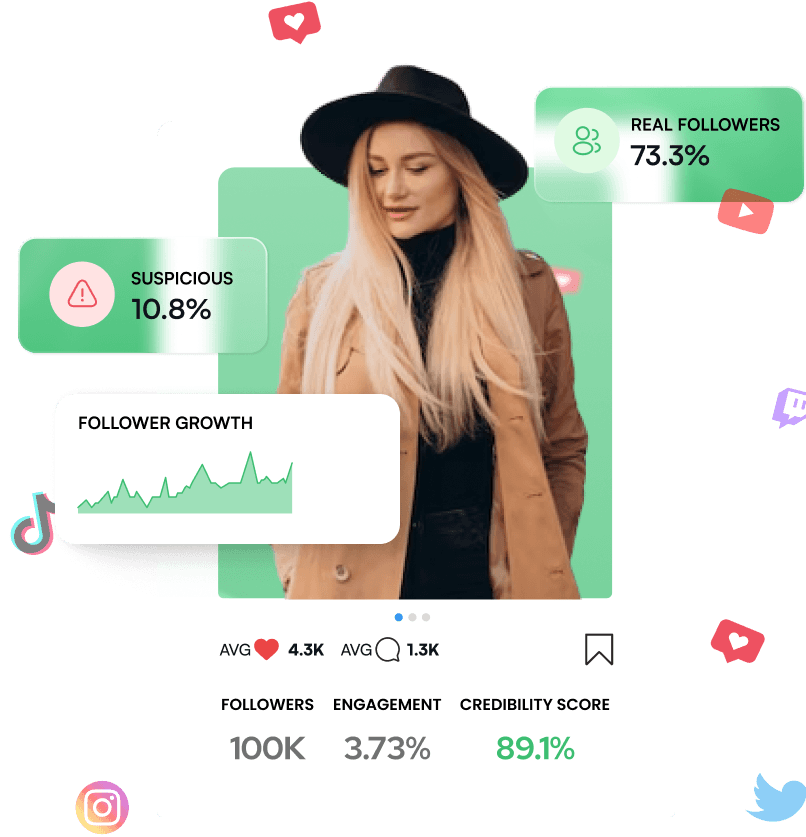
SocialiQ can help you get fast insights into engagement and audience makeup directly on the platform.
Home improvement influencers cover many project types. Choose creators whose style fits your needs:
Tool & gear reviewers: honest demos and comparisons — ideal for tool brands and hardware products.
DIY project creators: build-along, workshop videos, project series — great for actionable, repeat-view content.
Room renovation vloggers: before/after transformations, décor + build — perfect for integrated lifestyle/home décor campaigns.
Woodworking and craft makers: focused, detailed builds — good for specialty tool or premium product messaging.
Outdoor spaces & garden builders: patios, decks, outdoor kitchens — useful for outdoor living, garden, or seasonal build campaigns.
Matching the influencer’s content style to your product category and campaign tone ensures more natural integrations and better audience reception.
Rather than committing to long-term, high-cost campaigns immediately, test the fit with smaller collaborations:
A single tool review reel or video featuring your product in a real-project context.
A short “how-to” tutorial that incorporates your brand’s tools or materials.
A story takeover or highlights post showing step-by-step project progress with your gear.
This lets you measure engagement and audience response before scaling up to larger, extended partnerships.