Houston is a melting pot of flavors, famous for its Viet-Cajun crawfish, authentic Tex-Mex, and world-class BBQ. For agencies and D2C brands, this diversity offers a massive playground to reach passionate local diners. We’ve handpicked the most appetite-inducing food influencers who capture the soul of the city, making them the perfect partners to amplify your next delicious campaign.


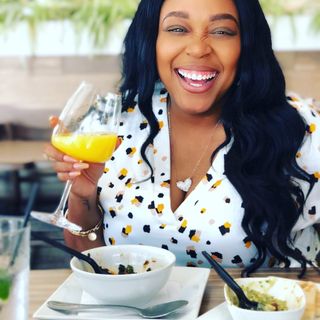


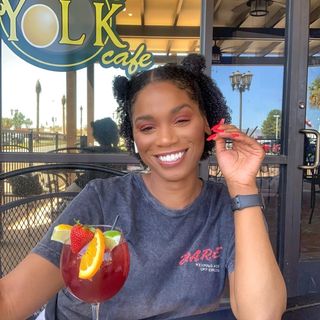
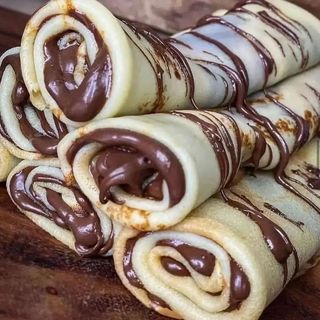
Want to analyze these creators?
Check who is following them, are their followers real, which brands they have collaborated with, and much more!


Start by clearly outlining what you expect from the collaboration.
For example: “We’re a Texas-style BBQ brand in Houston, and we want food influencers who can create reels, tasting videos, and restaurant love posts that resonate with local food lovers aged 18–40.”
Having this written helps you stay focused on the right type of influencers and content style.
Generic “food influencer” searches won’t narrow it down enough. Add local and niche context:
Keywords: “Houston food influencer,” “Houston eats Instagram,” “Houston restaurant reviewer,” “Houston food YouTuber.”
Trends/Events: Who posts about Houston Food Fest, local food trucks, weekend brunch culture, new restaurant openings?
Competitor collabs: Which food influencers in Houston have already featured brands or restaurants similar to yours?
With a tool like Impulze, you can filter creators by location (Houston), niche (food/eats), follower size, and engagement rate to build a targeted list quickly.
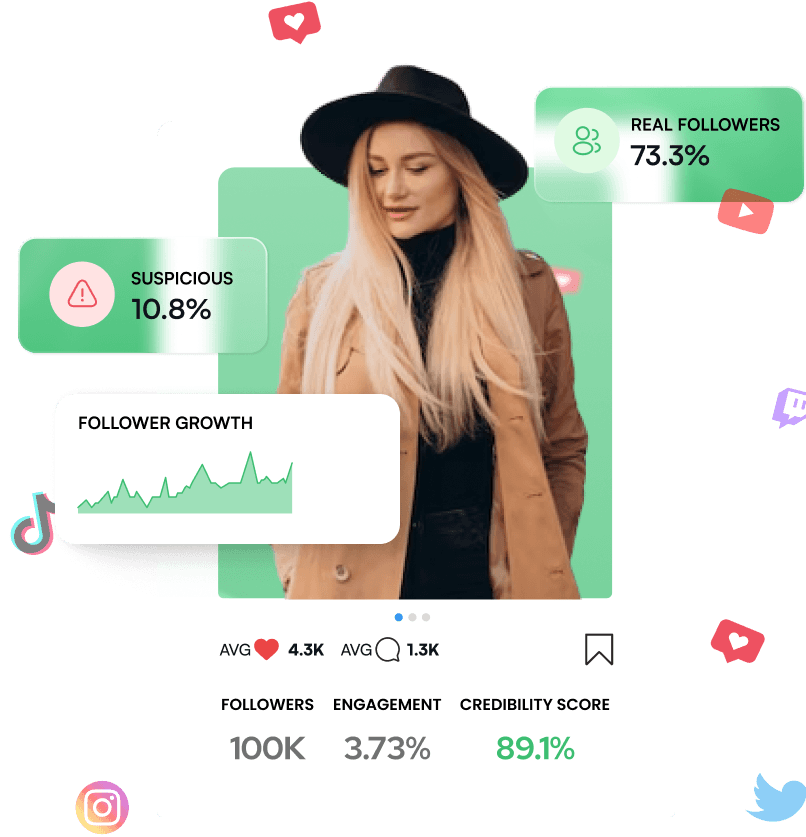
Follower count alone isn’t enough. Always verify:
Engagement metrics — likes, comments, saves, and shares relative to follower count.
Comments that show local relevance (“Which taco truck in Montrose is this?”).
Analytics or media kits confirming a strong local Houston or Texas metro audience.
Tools like SocialiQ let you get quick insights into engagement and audience distribution directly on platforms like Instagram or YouTube.
Food influencers in Houston cover different styles. Choose creators whose content and tone align with your campaign:
Restaurant reviewers: dine-in experiences, honest opinions, highlights of local spots.
Home chefs & recipe creators: step-by-step cooking videos, comfort food recipes, fusion food experimentation.
Street food & local culture creators: food trucks, market scenes, neighborhood eats.
Lifestyle & food crossover influencers: food content tied to travel, family, or lifestyle vlogs.
Selecting influencers whose style matches your product or campaign message helps make collaborations feel authentic.
Instead of jumping into big campaigns immediately, begin with smaller collaborations:
A reel or carousel post at your restaurant or featuring your product.
A story takeover from a food event or tasting session.
A short YouTube tasting or “top 5 must-eat spots” video featuring your brand.
This allows you to assess how the influencer’s audience responds before scaling up to larger partnerships.