The texture revolution is here, and authentic representation is non-negotiable. For brands, partnering with a trusted curly hair influencer is the only way to prove your products truly work on diverse patterns. We have selected the most knowledgeable creators who can help your agency define a successful campaign without the frizz.



Want to analyze these creators?
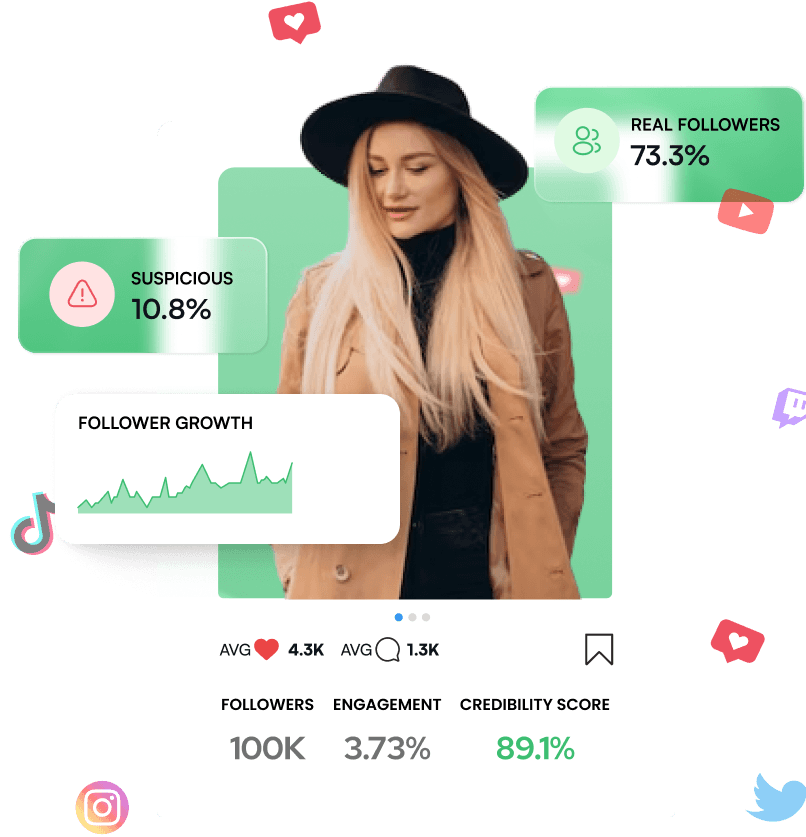
Check who is following them, are their followers real, which brands they have collaborated with, and much more!

Start by clearly outlining what you expect from a collaboration.
For example: “We’re a natural haircare brand, and we want influencers who can create tutorial videos showing how our products enhance curls/waves/ natural hair texture for women aged 18–35.”
Having this goal ensures you stay focused on the right type of creators.
Generic beauty searches may miss the hair-texture niche. Use curly-hair specific keywords:
Keywords: “curly hair influencer,” “natural curls routine,” “curly girl method TikTok/Instagram/YouTube,” “wavy hair style tutorial,” “tight curls care vlog.”
Niches/Styles: Hair-care tutorials, curly-hair transformations, heat-free styling, textured hair fashion, hair-care tips for curls & waves, product reviews for curly hair.
Trends/Events: Who posts about natural hair days, protective styles, wash-and-go tutorials, curly-hair product reviews, seasonal hair-care routines for curls?
Competitor collabs: Which influencers have already worked with haircare, beauty, or textured-hair brands similar to yours?
Use influencer discovery tools to filter creators by niche (curly hair / natural hair / textured hair), audience demographics, follower/fan size, and engagement to build a relevant shortlist.
Follower count is only part of the picture. Always verify:
Engagement — likes, comments, shares compared to follower count; consistency across posts.
Comment content — do followers ask for hair-care tips, feedback, or show appreciation for hair-related content? Are comments relevant (“Love your curls!”, “What products do you use?”)?
Audience demographics — ideally, people interested in beauty, hair care, curly hair, from target regions/age groups. Media kits may help confirm this.
Curly-hair influencers vary in content style and hair type. Choose those who align with your product and campaign:
Natural curls & waves influencers: everyday styling, wash-and-go, care routines — good for natural/low-maintenance haircare lines.
Tight curls & coil textures creators: defined curls, protective styling, textured hair care — useful for specialized or textured-hair products.
Curly-hair transformation channels: before/after content, product comparisons, styling tutorials — good for product launches, brand awareness.
Lifestyle & beauty crossover: hair + makeup + fashion + lifestyle — useful for broader beauty or lifestyle campaigns targeting women’s general beauty audience.
Inclusive/educational creators: talking about hair health, hair types, hair science — ideal for credible, trust-building campaigns.
Rather than launching big campaigns immediately, begin with smaller tests to gauge resonance and performance. These could be:
A tutorial or reel using your product for curly hair styling.
A review or first-impression video explaining how your product works on natural curls.
A “before & after” style reel to show transformation benefits.
This way, you can test engagement, feedback, and effectiveness before scaling up.